

Introduction
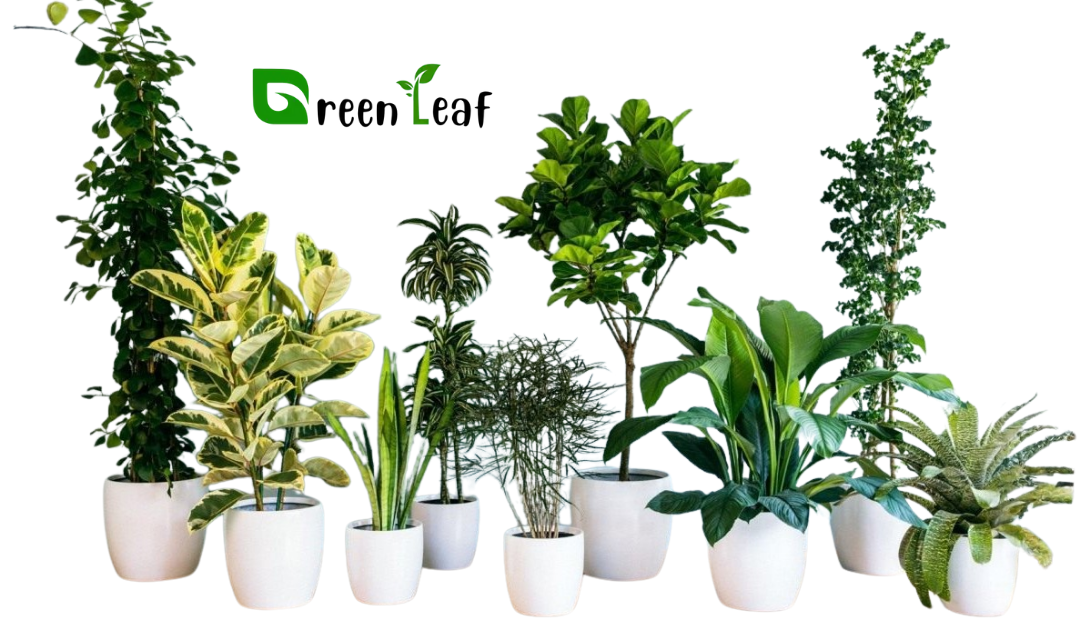
More people love growing indoor plants inside their homes. Living spaces feel better when nature comes indoors Plants do much more than just look nice.
They make homes healthier and bring peaceful energy. Anyone can grow plants without fancy tools. Small spaces work just as well as big rooms.
The trick is picking plants that grow well indoors. Some plants need little care. New plant owners worry about making mistakes.
Amazing Benefits Plants Bring to Your Living Space
How Plants Improve Air Quality and Health
Every plant cleans the air around it. They take in bad air and release fresh oxygen. Some plants remove dangerous chemicals from indoor air.
Breathing becomes easier when many plants work together. Having plants nearby helps people feel calm. The color green relaxes the mind.
Taking time to water plants creates a peaceful break. Looking at plants lowers blood pressure. Dry indoor air causes throat problems in winter.
Plants release water through their leaves. This adds moisture to rooms naturally. Many plants grouped together clean air better.
Decorating with Living Beauty
Plants turn plain corners into beautiful spots. Tall plants fill empty spaces. Hanging baskets show off trailing vines.
Every plant adds unique texture and shape. Green leaves work with any decorating style. Plants never go out of fashion.
A good plant becomes the focus of any room. Mixing different sizes makes spaces interesting. Colorful leaves brighten up white walls.
Some plants make flowers indoors. These living decorations grow and change. At Green Leaf Store, you’ll find great plants for your home.
Learning the Basics of Indoor Plant Care
Matching Plants to Light Conditions
Every plant needs a certain amount of light. Bright spots are near south or west windows. Medium light is a few feet from windows.
Low light means darker areas far from windows. Some plants need direct sunlight for hours. Others prefer soft light through curtains.
Many plants grew under forest trees. They adapted to shade. Putting plants near windows matters a lot.
Turn pots every few weeks for even growth. Winter may need grow lights. Watch how plants respond to their spot.
Smart Watering Practices That Work
Too much water kills more plants than anything. Most plants like drying out between drinks. Push your finger into the soil to check.
When the top feels dry, it’s time to water. Different plants need different water amounts. Succulents barely need any water.
Tropical plants like staying damp but not wet. Room temperature affects how fast soil dries. Use room temperature water only.
Pour until water runs out the bottom holes. Always dump water from saucers after watering. This prevents root rot.
Selecting Containers and Growing Medium
Drainage holes in pots are very important. Extra water must escape. Clay pots let air through their walls.
Plastic pots hold water longer. Container size should match the root ball. Big pots hold too much water.
Move to bigger pots as plants grow. Go just one or two inches wider. Good potting mix helps plants grow strong.
Regular dirt from outside gets too heavy. Indoor mixes drain well. Most plants do great in basic houseplant soil.
Ten Easy Plants for New Plant Parents
Snake Plant: The Forgiving Favorite
Snake plants handle neglect very well. They bounce back from weeks without water. Their leaves grow straight up.
Bold patterns add interest to modern rooms. These plants grow in dim corners. They need little watering.
Snake plants clean air at night. This makes them great for bedrooms. Different types have green, gold, and silver leaves.
Some stay small while others grow tall. Pests rarely bother snake plants. They make baby plants around their base.
Pothos: The Trailing Superstar
Pothos vines adapt to any condition. Heart shaped leaves tumble from high places. These plants grow fast and fill spaces.
Many color options exist. This plant grows in low or bright light. It handles irregular watering well.
Yellow leaves mean too much water. Crispy tips mean it needs more water. Long vines can be trimmed anytime.
Stem pieces root easily in water. This makes new plants simple and free. Pothos cleans indoor air well.
Spider Plant: The Easy Air Cleaner
Spider plants form pretty clumps of striped leaves. Tiny baby plants hang on stems. These babies can be planted.
The hanging style looks nice in planters. These plants like bright indirect light. They show thirst through brown tips.
Spider plants clean bad chemicals from air. They make valuable additions to any home. Pests rarely cause problems.
Small white flowers appear sometimes. Striped types have cream or white lines. These plants have been popular for years.
Peace Lily: The Elegant Communicator
Peace lilies have shiny dark green leaves. Beautiful white flowers rise above the leaves. These plants droop when thirsty.
This helps beginners learn when to water. Peace lilies do well in low light. They like staying slightly moist.
These plants remove many toxins from air. Their shade tolerance makes them perfect for offices. Flowers last for many weeks.
Peace lilies need little fertilizer. They need bigger pots as they grow. These plants teach beginners through clear signals.
ZZ Plant: The Tough Wonder
ZZ plants have super shiny leaves. These plants handle neglect better than most. Waxy leaves store water.
ZZ plants work great for busy people. They adapt to low or bright light. They grow slowly but steadily.
Pests almost never bother ZZ plants. Their structure adds modern style. Underground roots store water and food.
This lets ZZ plants survive any mistake. They need very little food. New plants come from leaf cuttings.
Rubber Plant: The Bold Statement Maker
Rubber plants have large, thick, shiny leaves. Deep green or red leaves add instant impact. These can grow quite tall.
Young plants work on tables first. Rubber plants prefer bright indirect light. They like soil drying between waterings.
Wipe dust from big leaves regularly. Trim to control height. Different types have different leaf colors.
Rubber plants remove toxins from air. Tall plants need support stakes. These plants create jungle vibes easily.
Aloe Vera: The Practical Beauty
Aloe vera looks good and heals too. Gel inside leaves soothes burns. These plants form pretty rosettes.
Aloe plants stay small and compact. These desert plants need bright light. They need very little water.
Too much water causes root rot. Use cactus soil for best results. Aloe plants make baby plants around their base.
This gives free plants to share. The spiky form adds interest. These useful plants have been grown for centuries.
Dracaena: The Versatile Variety
Dracaena plants come in many types. Some have long thin leaves. These adapt to different indoor conditions.
Dracaena can grow tall or stay compact. Most types prefer medium to bright light. They need moderate watering.
Brown tips mean fluoride in tap water. Use filtered water to fix this. These plants remove harmful chemicals from air.
Their tall growth works in tight spaces. Dracaena needs little maintenance. They rarely get pest problems indoors.
Philodendron: The Reliable Classic
Philodendrons are trusted by everyone. They come in climbing and non climbing types. Heart leaf types trail beautifully.
These plants forgive many mistakes. They thrive in medium to bright light. They prefer evenly moist soil.
Philodendrons grow quickly under good care. Their leaves develop beautiful shapes. Growing from cuttings is simple.
This lets you multiply your collection. These plants remove air pollutants. Philodendrons have been popular for over 100 years.
Chinese Evergreen: The Colorful Tough Guy
Chinese evergreens have vibrant colorful leaves. Their leaves show patterns in many colors. These compact plants stay small.
The colorful leaves brighten rooms. These plants tolerate low light well. They prefer moist soil.
Chinese evergreens grow slowly. Their small size fits small spaces. These plants remove toxins from air.
They rarely get pest problems. Chinese evergreens sometimes make small flowers. The stunning leaves are the main attraction.
Maintaining Your Growing Plant Family
Feeding Plants the Right Way
Indoor plants need food over time. Most plants benefit from feeding in spring. Use liquid fertilizer at half strength.
Apply fertilizer to moist soil. Indoor plants need less food than outdoor plants. Too much fertilizer causes more problems.
Yellow leaves and brown tips signal too much food. Flush pots with plain water to fix this. Most plants need no fertilizer in winter.
Slow release pellets give steady nutrition. Organic options work great too. Follow package directions carefully.
If you enjoy reading about popular plants in Pakistan, also explore our guide on Flowering and Non-Flowering Plants.
Handling Pest Invasions
Indoor plants sometimes get bugs. Check plants regularly to catch problems early. Keep affected plants away from healthy ones.
Most pest problems come from stressed plants. Wipe leaves with soapy water. Neem oil spray works as natural pest control.
Special soap for houseplants controls bugs. Treat plants for several weeks. Prevent pests by giving proper care.
Good air flow discourages pests. Keep new plants separate for a few weeks. Healthy plants resist pests better.
Shaping Plants Through Pruning
Regular pruning keeps plants looking their best. Remove dead or yellow leaves. Pinch back tips for bushier plants.
Use clean, sharp scissors. Trim plants to maintain size. Cut back stems to control growth.
Prune above leaf nodes for branching. Spring is the best time for pruning. Save stem cuttings to make new plants.
This expands your collection for free. Throw away diseased plant parts properly. Regular grooming creates beautiful plants.
Finding the Right Plant for Each Space
Shade-Loving Champions
Many homes have rooms without bright light. Snake plants, pothos, and ZZ plants tolerate shadows. Peace lilies and philodendrons adapt to dim light too.
These plants grew under forest trees. Low light plants grow more slowly. They need less water.
Rotate these plants for even growth. Keep leaves clean to help them grow. These plants open up decorating possibilities.
Any room can support living plants. Expect slow but steady progress. Even in low light, plants help clean air.
Moisture-Loving Tropical Types
Some plants come from tropical places. Ferns and orchids like extra moisture. Group plants together for higher humidity.
Place plants on trays filled with water. Bathrooms provide humid environments naturally. Regular misting helps a little.
Use a humidifier near plants. Brown edges signal low humidity. Avoid heating vents and air conditioning.
These plants reward proper humidity with lush leaves. Understanding their needs helps them thrive. Many beautiful plants need good humidity.
Safe Choices for Pet Owners
Many houseplants are toxic to cats and dogs. Spider plants, ferns, and palms are safe. Prayer plants and some orchids are safe too.
Research plant safety before buying. Place toxic plants out of reach. Some pets ignore plants while others nibble.
Give pets cat grass to chew. Watch how pets behave around plants. Find pet safe plants for peace of mind.
Many safe choices exist. Create a pet safe collection. Both plants and pets can live happily together.
Growing Your Green Thumb Skills
Multiplying Your Favorite Plants
Many houseplants can be grown from cuttings. Stem cuttings from pothos and spider plants root in water. Place cuttings in a water glass.
Once roots grow a few inches, plant them. Leaf cuttings work for succulents. Lay leaves on soil to grow roots.
Division works for plants with multiple stems. Separate these when repotting. This creates many plants from one.
Share plants with friends. Success rates improve with practice. This process teaches about plant growth.
Arranging Plants for Maximum Impact
Group plants together for better displays. Mix different heights and colors. Make sure grouped plants need similar care.
Tall plants provide background. Trailing plants soften edges. Use stands at different levels.
Group plants to increase humidity. This helps plants thrive better. Rotate featured plants to keep things fresh.
Add flowering plants for temporary color. Create themed groups by color or texture. These displays transform rooms into gardens.
Adjusting Care Through the Seasons
Indoor plants need different care each season. Growth slows in winter. Reduce watering in cold months.
Stop fertilizer until spring. Spring triggers new growth. Increase watering as plants wake up.
This is the best time for repotting. Prune when plants are growing. Summer brings the most growth.
Water more often in hot weather. Some plants can go outside in summer. Fall marks the return to slower growth.
Creating Your Personal Indoor Paradise
Selecting Plants for Different Rooms
Different rooms offer different conditions. Bright living rooms support many plants. Kitchens provide humidity from cooking.
Bathrooms offer humid environments. Bedrooms benefit from plants that release oxygen at night. Hallways work for shade tolerant plants.
Home offices become better with air purifying plants. Match plants to room conditions. Consider the room’s purpose when choosing.
Fragrant plants might disturb bedroom sleep. Thorny cacti are safer in low traffic areas. Thoughtful placement creates beautiful green design.
Developing Plant Parent Confidence
Start with one or two easy plants. Success creates confidence for harder plants. Learn to read plant signals over time.
Mistakes teach valuable lessons. Join online plant groups for support. Share successes and failures with others.
Local plant shops offer workshops. These resources help you learn fast. Keep simple records of watering.
Check plants regularly to catch problems early. Celebrate small wins like new leaves. Plants reward care with beauty.
Where to Buy Quality Plants
Find healthy plants from good sources. Local nurseries have better quality. Staff at plant shops offer expert advice.
These stores guarantee their plants. Online retailers have rare plants. Read reviews before buying online.
Good online sellers package plants carefully. Some growers focus on specific plants. Plant swaps provide free plants.
These events let beginners ask questions. Friends often have plants to share. Build relationships with other plant lovers.
For quality plants with expert help, Green Leaf Store offers great selections for everyone.
Growing Plants on a Budget
Starting a plant collection costs little money. Begin with cuttings from friends. Thrift stores sell cheap pots.
Use creative containers to save money. Make homemade potting mix. Grow plants from seeds for maximum savings.
Watch for sales at garden centers. Many expensive plants start small. Popular plants cost very little.
Invest in quality soil. Spend wisely on a few good tools. Beautiful spaces don’t need expensive investments.
Avoiding Common Plant Care Mistakes
The Overwatering Problem
Too much water kills more plants than anything. Soggy soil suffocates roots. Watering on a schedule causes problems.
Each plant dries at different rates. Signs include yellow leaves and mushy stems. Soil may smell bad or grow mold.
Let soil dry between waterings. Use pots with drainage holes. Adjust watering based on season and temperature.
Feel the soil before watering. When unsure, wait an extra day. Learning proper watering is most important.
Missing Plant Warning Signs
Plants show their needs through changes. Drooping leaves signal thirst or overwatering. Yellow leaves mean various problems.
Brown tips suggest low humidity or salt buildup. Pay attention to these signals. Learn to read each plant’s communication.
Keep plants in visible locations. Check plants while watering. Ignoring signs leads to worse health.
Plants rarely die suddenly. They show gradual decline first. Learning plant language transforms caregiving.
Mismatching Plants and Locations
Putting sun plants in dark corners kills them. Low light plants in bright windows suffer. Understand each plant’s needs first.
Don’t force plants into wrong locations. Check home conditions honestly first. Measure light levels with phone apps.
Be realistic about care abilities. Some plants simply won’t work. Choose plants suited to your conditions.
Sometimes you can adjust the environment. Make decisions based on reality. The right plants match your available conditions.
The Emotional Benefits of Plant Parenthood
Finding Peace Through Plant Care
Caring for plants reduces stress. Nurturing living things creates purpose. Watching plants grow offers rewards.
These green friends provide comfort. Studies show plants reduce blood pressure. Being around plants improves mood.
Plant care gives structure to days. For many, plants become therapy. Plant care focuses attention on now.
This calms racing thoughts. Creating an indoor garden provides retreat. Plants offer emotional support and health benefits.
Connecting with Fellow Plant Lovers
Sharing plant love connects people everywhere. Online groups offer spaces to share photos. Local groups organize swaps and workshops.
These connections make new friendships. Plant parents understand each other’s excitement. Supporting others creates strong bonds.
Trading cuttings builds community spirit. The plant world welcomes everyone. Plant groups provide social connection.
Helping others creates meaning. The shared language unites different people. These relationships enrich the gardening experience.
Solving Common Plant Problems
Understanding Yellow Leaves
Yellow leaves are very common. Overwatering causes most yellow leaves. Waterlogged soil prevents oxygen from reaching roots.
This stops nutrient uptake. Yellow leaves can also mean underwatering. Lower leaves yellowing is usually normal aging.
Widespread yellowing means watering problems. Test soil moisture before deciding. Adjust watering to fix yellowing.
Remove completely yellow leaves. Add fertilizer if needed. Recovery takes time with proper care.
Dealing with Brown Tips
Brown tips create cosmetic problems. Tap water chemicals cause this often. Low humidity also causes brown edges.
Too much fertilizer burns leaf tips. Use filtered or rain water. Increase humidity with misting or trays.
Flush pots with plain water. Trim brown parts with scissors. Prevention works better than treatment.
Find the specific cause. Most plants keep thriving despite cosmetic damage. Plants tolerate occasional imperfections.
Fixing Leggy Growth
Leggy growth means long stems with few leaves. Not enough light causes this. Stems become weak.
Plants look stretched instead of bushy. Move plants to brighter spots. Prune back leggy stems.
Rotate plants regularly. Give adequate light from the start. Some plants naturally grow vine like.
Understand each plant’s natural habit. Support climbing plants with stakes. Accept each plant’s characteristics.
Expanding Your Plant Education
Resources for Continued Learning
Books provide detailed information. Online resources offer current advice. Follow plant experts on social media.
Libraries have free gardening sections. Plant apps help identify unknown plants. Join online plant groups.
Attend local plant meetings. Gardens host educational programs. Trying different plants teaches the most.
Keep notes about what works. Ask questions at plant shops. Continuous learning keeps gardening exciting.
Trying More Challenging Varieties
Once basic indoor plants thrive, try harder ones. Uncommon plants offer unique beauty. Start with one challenging plant.
Success builds confidence over time. Research care needs before buying. Some plants need specific conditions.
Prepare the right environment first. Join specialized groups for advice. Rare plants cost more.
Start with small plants. Successfully growing challenging plants feels rewarding. Trying new things keeps gardening exciting.