

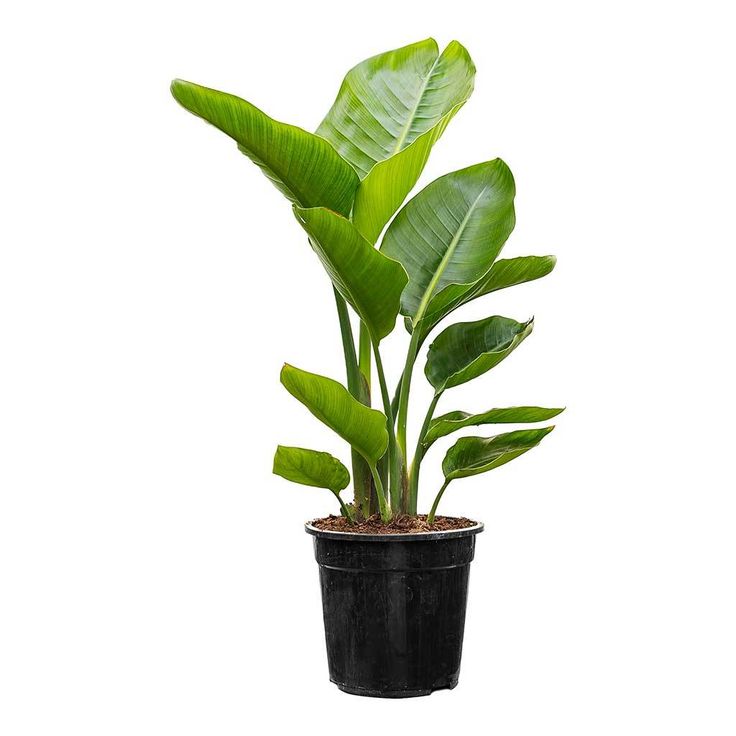
Introduction to White Bird of Paradise
The White Bird of Paradise is a magnificent tropical plant that captivates hearts worldwide. This stunning beauty brings exotic elegance to any space with its dramatic white flowers. Many plant enthusiasts consider it the crown jewel of indoor and outdoor gardens. The plant’s scientific name is Strelitzia nicolai, named after Queen Charlotte of Mecklenburg Strelitz.
Unlike its smaller cousin with orange flowers, the White Bird of Paradise grows much larger. This impressive plant can reach heights of twenty to thirty feet in outdoor settings. Indoor specimens typically stay between six to eight feet tall with proper care. The massive paddle shaped leaves create a tropical paradise feeling wherever they grow.
Growing a White Bird of Paradise transforms ordinary spaces into extraordinary tropical retreats instantly. The plant’s architectural structure makes it perfect for modern interior design and landscaping. Whether you’re an experienced gardener or just starting your plant journey, this guide helps you succeed. Let’s explore everything you need to know about this remarkable botanical treasure.
What Makes White Bird of Paradise Special
Origin and Natural Habitat
The White Bird of Paradise originates from the coastal regions of South Africa naturally. These plants grow wild in subtropical forests where conditions stay warm and humid year round. They thrive along riverbanks and forest edges where sunlight filters through tree canopies gently. The natural habitat provides important clues about how to care for them successfully.
In their native environment, these plants form large clumps over many years of growth. They spread through underground rhizomes that send up new stems continuously over time. The plants have adapted to survive occasional droughts and varying light conditions in nature. Understanding their wild origins helps recreate ideal growing conditions at home or in gardens.
South African gardeners have cultivated White Bird of Paradise for generations with great success. The plant traveled globally during colonial times and became popular in tropical regions worldwide. Today, it grows successfully in warm climates across California, Florida, Hawaii, and Mediterranean countries. Indoor cultivation makes this tropical treasure accessible to gardeners in cooler climates too.
If you enjoy reading about popular plants in Pakistan, also explore our guide on https://flowerlove.us/how-to-grow-gulmohar-tree-in-pakistan-complete-guide/
Distinctive Physical Features
The White Bird of Paradise displays enormous leaves that resemble banana plant foliage remarkably closely. Each leaf can grow up to six feet long and two feet wide. The leaves emerge from a central stem in a fan like pattern that creates stunning visual impact. The foliage has a distinctive blue green color with prominent central veins running lengthwise.
The spectacular flowers are what truly make this plant extraordinary and worth the wait. White petals emerge from dark purple bracts in a shape resembling a bird’s head perfectly. The “beak” is actually a pointed boat shaped bract containing the true flowers inside. Each bloom can last several weeks before fading away, replaced by new ones continuously.
Mature plants develop thick, woody trunks that give them a tree like appearance over time. The trunk is actually formed from old leaf bases that harden as they age. Aerial roots sometimes appear near the base, helping anchor the plant and absorb moisture. The overall appearance is bold, architectural, and unmistakably tropical in character and presence.
Differences from Orange Bird of Paradise
Many people confuse the White Bird of Paradise with the more common orange variety. The orange Bird of Paradise (Strelitzia reginae) stays much smaller, reaching only four feet maximum. Orange varieties bloom more reliably and frequently than their white counterparts in cultivation. The flowers are bright orange and blue, creating a completely different color palette entirely.
White Bird of Paradise grows significantly larger and makes a better architectural statement plant. It requires more space but creates dramatic impact that smaller plants cannot achieve. The white flowers are considered more elegant and sophisticated by many plant collectors. However, they take longer to appear, sometimes requiring five to ten years maturity.
The care requirements are similar between both species with some important differences in scale. White varieties need more vertical space and stronger support as they grow taller. They also require larger containers when grown indoors compared to orange varieties. Both plants share similar light, water, and soil preferences despite their size differences.
Ideal Growing Conditions for White Bird of Paradise
Light Requirements for Optimal Growth
White Bird of Paradise thrives in bright, indirect light for most of the day consistently. Direct morning sunlight is beneficial and encourages healthy growth and flowering potential eventually. However, harsh afternoon sun can scorch the large leaves, especially in hot climates. Finding the right balance of light is crucial for this plant’s success indoors.
Outdoor plants tolerate full sun in coastal or humid climates where temperatures stay moderate. In hotter, drier regions, they appreciate afternoon shade protection from intense heat and light. The plant adapts to lower light conditions but grows more slowly and rarely flowers. Insufficient light causes the plant to become leggy with weak stems and pale foliage.
Indoor placement near south or west facing windows provides ideal light conditions for most homes. Sheer curtains help filter intense sunlight while still providing adequate brightness for healthy growth. Rotate the plant occasionally so all sides receive equal light exposure over time. This prevents the plant from leaning heavily toward the light source and losing symmetry.
Temperature and Humidity Preferences
White Bird of Paradise prefers warm temperatures between 65-80°F (18-27°C) throughout the year consistently. The plant tolerates brief temperature drops to 50°F (10°C) but suffers damage below that. Frost kills the foliage instantly, though the roots may survive and regrow later. In cold climates, these plants must stay indoors during winter months for survival.
High humidity levels between 50-70% create the best growing conditions for this tropical plant. Dry air causes leaf edges to brown and split, reducing the plant’s aesthetic appeal. Regular misting helps increase humidity around the foliage in dry indoor environments effectively. Placing the pot on a pebble tray filled with water also raises humidity levels.
Air circulation is important but avoid placing plants directly in heating or cooling vents. Sudden temperature fluctuations stress the plant and cause leaves to split or tear easily. Outdoor plants need protection from strong winds that can shred the large leaves badly. A sheltered location near walls or under covered patios works perfectly for outdoor specimens.
Soil and Drainage Essentials
Well draining soil is absolutely critical for White Bird of Paradise health and survival long term. The plant tolerates various soil types but demands excellent drainage to prevent root rot. A mixture of potting soil, perlite, and orchid bark creates the perfect growing medium. This combination retains some moisture while allowing excess water to drain freely away.
The ideal soil pH ranges from slightly acidic to neutral, between 6.0-7.5 for best results. Adding compost or well rotted manure enriches the soil with organic matter and nutrients naturally. Avoid heavy clay soils that stay waterlogged, as this kills roots quickly and efficiently. Sandy loam with added organic material works excellently for outdoor plantings in gardens.
Container plants need repotting every two to three years as they outgrow their pots. Choose containers with multiple drainage holes to prevent water accumulation at the bottom. Terra cotta pots work well because they allow soil to dry faster than plastic. The pot should be only slightly larger than the root ball to prevent overwatering issues.
Comprehensive Care Guide for Success
Proper Watering Techniques
Watering White Bird of Paradise correctly prevents most common problems that gardeners encounter with them. The plant needs consistently moist soil during the active growing season from spring through summer. Allow the top two inches of soil to dry between waterings to prevent overwatering. Deep, thorough watering encourages strong root development better than frequent shallow watering does.
Reduce watering frequency during fall and winter when the plant’s growth slows down naturally. Overwatering during dormancy causes root rot, the most common killer of these plants. Always check soil moisture before watering rather than following a rigid schedule blindly. Factors like pot size, temperature, and humidity affect how quickly soil dries out.
Water quality matters significantly for the long term health of White Bird of Paradise plants. Tap water containing high levels of chlorine, fluoride, or salts can damage roots gradually. Using filtered, rainwater, or distilled water produces the best results and healthiest plants. Allow tap water to sit overnight before using to let chlorine evaporate naturally.
Fertilization Schedule and Products
Feed White Bird of Paradise regularly during the growing season to support its vigorous growth. Use a balanced liquid fertilizer diluted to half strength every two to four weeks. A formula like 20-20-20 or 10-10-10 provides essential nutrients in equal proportions. Organic options like fish emulsion or seaweed extract also work wonderfully for these plants.
Slow release granular fertilizers applied in spring provide steady nutrition throughout the entire growing season. Follow package directions carefully to avoid over fertilizing, which burns roots and damages foliage. Mature plants preparing to flower benefit from fertilizers higher in phosphorus to encourage blooms. Look for formulas like 10-30-10 when you want to promote flowering specifically.
Stop fertilizing during fall and winter when the plant’s growth naturally slows significantly down. Feeding during dormancy causes salt buildup in soil that damages roots over time. Resume fertilization in early spring when new growth begins appearing on the plant. Yellow leaves between veins often indicate iron deficiency, treatable with chelated iron supplements regularly.
Pruning and Maintenance Tasks
Regular pruning keeps White Bird of Paradise looking its best and promotes healthy new growth. Remove dead, damaged, or yellowing leaves as they appear throughout the growing season. Cut leaves at the base where they emerge from the main stem cleanly. Use sharp, sterilized pruning shears to prevent spreading diseases between cuts on plants.
Old flower stalks should be removed after blooms fade completely to maintain neat appearance. Cut the stalk as close to the base as possible without damaging surrounding foliage. This encourages the plant to produce new flower stalks rather than putting energy into seeds. Regular deadheading keeps the plant focused on producing more beautiful blooms for you.
White Bird of Paradise naturally sheds lower leaves as it grows taller over the years. This is normal and creates the tree like trunk appearance that makes mature plants stunning. Remove brown leaf sheaths from the trunk if desired for a cleaner look. Avoid cutting into green, living tissue as this creates wounds that invite pests and diseases.
Common Problems and Effective Solutions
Leaf Splitting and Browning Issues
Leaf splitting is completely natural for White Bird of Paradise and mimics wind damage. In nature, leaves split to allow wind to pass through without breaking stems. However, excessive splitting can indicate environmental stress or improper care of the plant. Low humidity, inconsistent watering, or strong air currents cause more splitting than normal naturally.
Brown leaf edges typically result from low humidity, under watering, or salt accumulation in soil. Increase humidity around the plant using a humidifier or pebble tray filled with water. Flush the soil monthly with distilled water to remove accumulated salts from fertilizers. Trim brown edges with clean scissors following the natural leaf shape for better appearance.
Yellow leaves usually indicate overwatering, poor drainage, or nutrient deficiencies that need addressing quickly. Check that the pot has adequate drainage and the soil isn’t staying soggy constantly. Reduce watering frequency and ensure proper air circulation around roots to prevent rot. Feed regularly with balanced fertilizer to prevent nutrient deficiency yellowing of older leaves.
Pest Management Strategies
Spider mites are common pests that attack White Bird of Paradise, especially in dry conditions. These tiny pests create fine webbing between leaves and cause stippling on foliage. Increase humidity and spray plants with water regularly to discourage spider mites from establishing. Insecticidal soap or neem oil treats existing infestations effectively when applied thoroughly and consistently.
Scale insects appear as brown bumps on stems and leaf undersides that suck sap. Remove small infestations by hand or with cotton swabs dipped in rubbing alcohol. Severe infestations require horticultural oil sprays applied according to product label directions. Check plants regularly to catch scale problems early before they spread widely throughout.
Mealybugs look like white, cottony masses in leaf axils and stem joints particularly. These pests weaken plants by feeding on sap and secreting honeydew that attracts ants. Treat with insecticidal soap, neem oil, or isopropyl alcohol applications directly to affected areas. Quarantine newly purchased plants for several weeks to prevent introducing pests to your collection.
Disease Prevention and Treatment
Root rot is the most serious disease affecting White Bird of Paradise plants from overwatering. The condition causes roots to turn black, mushy, and foul smelling while destroying the plant. Prevention through proper watering and drainage is far easier than treating established root rot. If caught early, repot in fresh soil after removing all affected roots carefully.
Leaf spot diseases cause brown or black spots with yellow halos on foliage. These fungal or bacterial infections spread in humid conditions with poor air circulation. Remove affected leaves immediately and improve air movement around the plant for prevention. Avoid overhead watering that leaves foliage wet for extended periods encouraging disease development.
Gray mold (Botrytis) can affect flowers and damaged foliage during cool, humid conditions. Remove all dead plant material promptly to reduce disease pressure on healthy tissue. Improve air circulation and reduce humidity if gray mold appears repeatedly on plants. Fungicide applications may be necessary for severe or persistent disease problems that don’t resolve.
Propagation Methods for White Bird of Paradise
Division of Mature Clumps
Division is the easiest and most reliable propagation method for White Bird of Paradise plants. This technique works best with mature plants that have developed multiple stems or clumps. Spring is the ideal time for division when the plant begins active growth. The process creates instant mature plants rather than waiting years from seeds to develop.
Carefully remove the entire plant from its container or dig around outdoor specimens thoroughly. Gently separate the root ball into sections, ensuring each division has healthy roots attached. Use a sharp, clean knife to cut through thick rhizomes connecting different sections together. Each division should have at least three to five stems for best survival chances.
Plant divisions immediately into appropriate sized containers with fresh, well draining soil mixture prepared. Water thoroughly after planting but then wait several days before watering again to settle. Keep newly divided plants in bright, indirect light while they recover from transplant shock. New growth appearing within a few weeks indicates successful division and establishment of plants.
Growing from Seeds Successfully
Growing White Bird of Paradise from seeds is challenging but rewarding for patient gardeners. Seeds have a hard outer coating that requires scarification to improve germination rates significantly. Nick the seed coat with a file or sandpaper, then soak in warm water overnight. This process softens the coating and allows moisture to penetrate for faster germination times.
Plant scarified seeds in well draining seed starting mix about half an inch deep in containers. Keep soil consistently moist but not waterlogged throughout the germination period which varies greatly. Germination takes anywhere from one to six months depending on conditions and seed freshness. Maintain warm temperatures around 75-80°F (24-27°C) for best germination success rates overall.
Seedlings grow slowly initially, taking several years to reach maturity and flowering size eventually. Provide bright, indirect light and consistent moisture as young plants develop their root systems. Transplant seedlings to larger containers as they outgrow their current pots over time. Plants grown from seed typically take five to ten years before producing their first flowers.
Indoor vs. Outdoor Cultivation Tips
Growing White Bird of Paradise Indoors
Indoor cultivation allows people in any climate to enjoy this magnificent tropical plant successfully. Choose a location with bright, indirect light near large windows for best results. The plant needs ceiling height of at least eight feet to accommodate mature growth. Consider how large the plant will eventually become before selecting its permanent indoor location.
Container size is crucial for indoor specimens to prevent them from becoming too large. Restricting root space somewhat controls overall plant size while maintaining health and vigor. Use a heavy pot to prevent top heavy plants from tipping over as they grow taller. Move containers on plant caddies with wheels for easier repositioning as plants grow larger.
Indoor air tends to be drier than ideal for White Bird of Paradise plants. Use humidifiers, pebble trays, or regular misting to increase moisture levels around foliage. Group plants together to create a microclimate with higher humidity levels naturally occurring. Clean leaves monthly with a damp cloth to remove dust and allow better photosynthesis.
Outdoor Landscape Uses
White Bird of Paradise makes a stunning focal point in tropical and subtropical landscape designs. Plant near swimming pools, patios, or entryways where its dramatic form creates impact. The plant works beautifully as a privacy screen when planted in groups or rows. Mature specimens develop into striking specimen trees that command attention in any garden setting.
Choose planting locations with protection from strong winds that can shred the large leaves. Morning sun with afternoon shade provides ideal conditions in hot summer regions especially. Space plants six to ten feet apart when creating hedges or mass plantings. This allows room for each plant to develop its full, impressive size over time.
Outdoor plants grow significantly larger and faster than indoor container specimens usually do. They also flower more reliably and frequently when grown in optimal conditions outside. Protect plants from frost and freezing temperatures by covering them during cold snaps. In borderline climates, plant near south facing walls that provide extra warmth and protection naturally.
Encouraging Flowering in White Bird of Paradise
Factors That Promote Blooming
White Bird of Paradise typically requires maturity before flowering, usually five to ten years minimum. Patience is essential as younger plants simply won’t bloom regardless of perfect care. Plants grown from division may flower sooner than seed grown specimens because they’re already mature. The large size and energy reserves needed for flowering take years to develop fully.
Adequate light is absolutely crucial for flower production in White Bird of Paradise plants. Plants in insufficient light may grow foliage but will never produce flowers at all. Outdoor plants in full to partial sun bloom most reliably and frequently overall. Indoor plants near very bright windows have the best chance of flowering eventually.
Root restriction can sometimes encourage flowering in mature plants that haven’t bloomed yet. Being slightly pot bound signals the plant to reproduce by flowering instead of growing. Proper fertilization with higher phosphorus supports flower bud development and formation significantly. Consistent care year after year eventually rewards patient growers with spectacular white blooms finally.
What to Expect When Flowers Appear
White Bird of Paradise flowers emerge from boat shaped purple gray bracts that open slowly over time. Several white petals unfold from the bract, each tipped with a small blue tongue. The arrangement resembles a white bird’s head in profile, hence the common name. Each flower stalk can produce multiple flowers in succession over several months continuously.
Individual flowers last about two weeks before fading but are replaced by new ones. A single plant can produce numerous flower stalks throughout the blooming season when mature. The flowers have no fragrance but their visual impact is absolutely stunning and memorable. In their native habitat, birds pollinate these flowers by perching on the sturdy bracts.
After flowers fade, seed pods may develop if pollination occurred during the blooming period. These pods contain dark seeds surrounded by orange arils that birds love eating. You can collect seeds for propagation or remove spent flower stalks to keep plants tidy. Some gardeners enjoy leaving seed heads for their interesting architectural appearance in gardens.
Design Ideas and Placement Suggestions
Interior Design Applications
White Bird of Paradise makes a bold architectural statement in modern interior design schemes. Place large specimens in spacious entryways or living rooms with high ceilings dramatically. The plant’s vertical growth and large leaves complement minimalist and contemporary decor styles. Use as a room divider in open floor plans to create separate spaces naturally.
Pair White Bird of Paradise with other tropical plants for a lush, jungle like indoor atmosphere. The contrast between its large leaves and smaller leaved plants creates visual interest and depth. Choose simple, modern containers that don’t compete with the plant’s dramatic natural form. White or neutral colored pots allow the plant’s architectural beauty to take center stage completely.
Lighting the plant from below with uplights creates stunning shadows on walls and ceilings. This technique highlights the plant’s dramatic silhouette and adds ambiance to evening spaces. Position plants where their sculptural form can be appreciated from multiple viewing angles. The plant works beautifully in commercial spaces like hotel lobbies and corporate offices too.
Outdoor Landscape Design Ideas
Create tropical paradise gardens by combining White Bird of Paradise with palms and bamboo. These plants share similar care requirements and complement each other’s forms perfectly well. Use as a backdrop for smaller flowering plants that add pops of color. The blue green foliage provides a cooling, calming effect in hot summer gardens effectively.
Plant along property lines or fences to create natural privacy screens over time. The tall, dense foliage blocks views while adding tropical elegance to boundary areas. Group three to five plants together for maximum impact and fullness in landscape designs. Stagger planting heights by using specimens of different ages for a more natural appearance.
White Bird of Paradise works beautifully in poolside plantings where its tropical look enhances resort vibes. The plant tolerates reflected heat and light from water and paving quite well. Combine with colorful flowering tropicals like hibiscus and bougainvillea for stunning color contrasts. Underplant with shade tolerant groundcovers that benefit from the filtered light below the large leaves.
Buying Guide and Selection Tips
Choosing Healthy Plants
When purchasing White Bird of Paradise, inspect plants carefully for signs of health and vigor. Look for plants with multiple stems and rich, blue green foliage without damage or discoloration. Avoid specimens with yellow leaves, brown spots, or evidence of pest infestations visible. Check that the plant stands upright without staking, indicating strong root development underneath.
Examine the undersides of leaves and stem joints for pests like scale or mealybugs. Small infestations are treatable but indicate poor plant care before purchase potentially. Choose plants with tight, compact growth rather than tall, leggy specimens stretching for light. The soil should be moist but not waterlogged or completely dried out at purchase.
Younger plants cost less but take many years to reach impressive sizes and maturity. Larger, more mature specimens provide instant impact but command significantly higher prices accordingly. Consider your budget, available space, and patience level when selecting plant size carefully. Quality nurseries often provide better plants and more knowledgeable staff assistance than big box stores.
Where to Purchase Quality Specimens
Specialty tropical plant nurseries offer the best selection and healthiest White Bird of Paradise plants. Staff at these nurseries typically have extensive knowledge about proper care and requirements. They can answer questions and provide ongoing support after purchase for customer satisfaction. Visiting local nurseries also allows you to see plants in person before buying.
Online plant retailers have expanded greatly and offer convenient delivery to your doorstep directly. Research seller reviews and guarantees before purchasing expensive specimens sight unseen from unknown sources. Reputable online sellers pack plants carefully to survive shipping without damage during transit. Expect some leaf damage or stress after shipping that plants usually recover from quickly.
Garden centers and home improvement stores sometimes carry White Bird of Paradise during spring months. Selection is typically limited but prices may be lower than specialty nurseries offer. Inspect these plants extra carefully as care quality varies greatly between different retail locations. Plants often sit too long in less than ideal conditions at mass market retailers unfortunately.
Frequently Asked Questions
Q1: How long does it take for White Bird of Paradise to flower?
White Bird of Paradise typically requires five to ten years of growth before producing flowers. Plants grown from division may flower sooner than seed grown specimens because they’re already mature. Adequate light, proper care, and patience are essential for encouraging flowering in these plants. Some indoor specimens may never flower due to insufficient light levels despite perfect care otherwise.
Q2: Can White Bird of Paradise survive in low light conditions?
White Bird of Paradise tolerates lower light but grows slowly and will not flower at all. The plant needs bright, indirect light for at least six hours daily for healthy growth. Insufficient light causes weak, leggy growth with pale foliage that looks unhealthy overall. If you only have low light spaces, consider other plants better suited for those conditions.
Q3: How often should I repot my White Bird of Paradise plant?
Repot White Bird of Paradise every two to three years or when roots completely fill containers. Signs that repotting is needed include roots growing from drainage holes or water running straight through. Choose a pot only two to four inches larger than the current one. Spring is the best time for repotting when plants begin active growth naturally again.
Q4: Is White Bird of Paradise toxic to pets and children?
White Bird of Paradise contains toxins that can cause mild to moderate symptoms if ingested by pets. Cats and dogs may experience nausea, vomiting, and drowsiness after eating plant material from it. Keep plants out of reach of curious pets and small children who might chew leaves. Contact a veterinarian or poison control center if significant ingestion occurs with any symptoms.
Q5: Why are my White Bird of Paradise leaves splitting and tearing badly?
Leaf splitting is natural and mimics wind damage in the plant’s native habitat normally. However, excessive splitting indicates low humidity, inconsistent watering, or strong air currents around the plant. Increase humidity levels, water more consistently, and move the plant away from drafts. Some splitting is unavoidable and actually adds to the plant’s natural, tropical character beautifully.
Conclusion: Growing Your Own Tropical Paradise
White Bird of Paradise represents the ultimate tropical plant for adventurous gardeners seeking something special. Its dramatic size, architectural form, and stunning flowers make it worth every bit of effort. Whether grown indoors or outside, this plant transforms spaces into exotic tropical paradises effectively. The care requirements are straightforward once you understand the plant’s basic needs for success.
Patience is perhaps the most important quality needed for growing White Bird of Paradise successfully. These plants take time to reach maturity and full glory but reward you handsomely. The journey from small plant to magnificent specimen creates lasting satisfaction and pride. Each new leaf and eventual flower becomes a celebrated achievement for dedicated growers everywhere.
Starting your White Bird of Paradise journey today means enjoying this magnificent plant for decades. With proper care, these plants become treasured family heirlooms passed down through generations lovingly. The tropical beauty and dramatic presence they provide never goes out of style or fashion. Begin growing your own piece of paradise and watch it transform your space magnificently.