

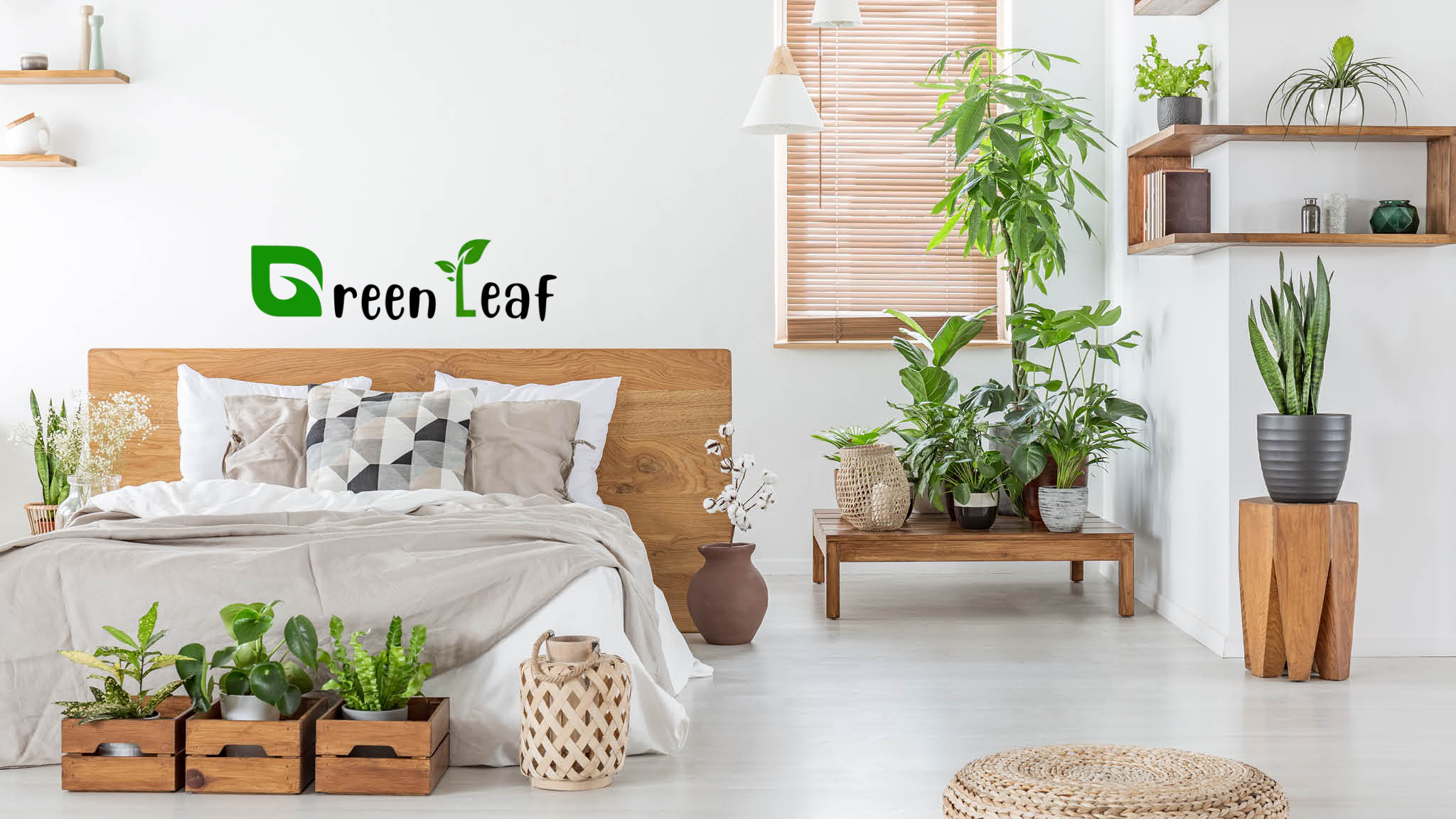
Introduction to Bedroom Indoor Plants in Pakistan
Many people in Pakistan are discovering the joy of keeping plants in their bedrooms. Bedroom indoor plants in Pakistan have become very popular in recent years. These green companions do more than just look pretty. They clean the air, help people sleep better, and make rooms feel peaceful. Pakistani homes are now welcoming these natural air purifiers with open arms.
The trend of adding bedroom indoor plants in Pakistan started in big cities like Karachi, Lahore, and Islamabad. Now, even smaller towns are joining this green movement. People want healthier homes and better sleep quality. Plants offer a simple and natural solution to these everyday problems.
If someone wants to start their plant journey, Green Leaf Store offers many beautiful options. The store helps people find the perfect plants for their bedrooms. From small succulents to larger peace lilies, there are choices for everyone.
Why Bedroom Indoor Plants Are Perfect for Pakistani Homes
Health Benefits of Bedroom Plants
Bedroom indoor plants in Pakistan provide amazing health benefits that many people do not know about. These plants work like natural air filters. They remove harmful chemicals from the air while people sleep. This makes breathing easier and healthier throughout the night.
Many plants release oxygen at night, which is different from most other plants. This extra oxygen helps people sleep more deeply and wake up feeling fresh. Some plants also remove toxins like formaldehyde and benzene from bedroom air. These chemicals often come from furniture, paint, and cleaning products.
Plants in bedrooms also help people feel less stressed and anxious. Looking at greenery makes the mind calm and peaceful. Studies show that having plants nearby can lower blood pressure and reduce worry. For people living in busy Pakistani cities, this benefit is very valuable.
Climate Suitability in Pakistan
Pakistan has different climate zones, from hot deserts to cool mountains. The good news is that many bedroom indoor plants in Pakistan can grow well in these varied conditions. Most homes in Pakistan have warm temperatures that plants love.
Karachi experiences humid weather with temperatures ranging from 25°C to 35°C in summer and 15°C to 25°C in winter. The humidity levels stay between 60% to 80% throughout the year. This tropical climate suits plants like peace lilies, money plants, and ferns perfectly.
Lahore has more extreme weather with summer temperatures reaching 35°C to 45°C and winter dropping to 5°C to 20°C. The humidity ranges from 40% to 70% depending on the season. Plants like snake plants and aloe vera handle these temperature variations very well.
Islamabad and Rawalpindi have moderate climates with summer temperatures between 30°C to 40°C and winter temperatures from 5°C to 15°C. The humidity stays around 50% to 65% most of the year. Most bedroom indoor plants in Pakistan thrive in these comfortable conditions.
Multan and southern Punjab areas experience very hot summers with temperatures above 40°C and mild winters around 10°C to 20°C. The low humidity of 30% to 50% suits succulents and drought tolerant plants. Cities like Faisalabad and Sialkot have similar temperature patterns to Lahore.
Peshawar and Quetta have drier climates with hot summers and cold winters. Temperatures can range from 40°C in summer to near freezing in winter. Indoor heating keeps bedroom temperatures comfortable at 18°C to 25°C for plants. The lower humidity of 30% to 50% means plants need occasional misting.
Coastal areas like Gwadar have consistent warm temperatures year round between 20°C to 35°C. The high humidity of 70% to 85% creates perfect conditions for tropical plants. Understanding these regional differences helps people choose the right bedroom indoor plants in Pakistan.
Best Bedroom Indoor Plants in Pakistan
Snake Plant (Mother-in-Law’s Tongue)
The snake plant is one of the most popular bedroom indoor plants in Pakistan. This tough plant survives almost anything a beginner can throw at it. It needs very little water and can handle low light conditions easily.
Snake plants are special because they release oxygen at night instead of during the day. This makes them perfect bedroom companions for better sleep quality. They also remove toxins like formaldehyde and nitrogen oxide from the air. The tall, striped leaves add a modern look to any bedroom decor.
These plants grow well in Pakistani homes because they tolerate heat and irregular watering. Someone who travels often or forgets to water plants will love snake plants. They come in different sizes, from small desktop versions to tall floor plants.
Peace Lily
Peace lilies are beautiful bedroom indoor plants in Pakistan that produce lovely white flowers. These plants are excellent air purifiers that remove many harmful chemicals. They work especially well in bedrooms with moderate light from windows.
The peace lily tells its owner when it needs water by drooping slightly. This makes plant care very easy for beginners. After watering, the plant perks up within hours. The glossy green leaves and elegant white blooms create a peaceful atmosphere.
These plants prefer humid conditions, which works well in many Pakistani cities. They grow best in temperatures between 18 to 27 degrees Celsius. This matches most bedroom temperatures in Pakistan perfectly. Peace lilies are available at Green Leaf Store, where plant experts help choose the right size.
Aloe Vera
Aloe vera is a useful and attractive option for bedroom indoor plants in Pakistan. This succulent plant has thick, fleshy leaves filled with healing gel. The gel can treat minor burns, cuts, and skin problems naturally.
Aloe vera loves bright, indirect sunlight, making it perfect for bedrooms with windows. It needs very little water and stores moisture in its leaves. This makes it ideal for people who sometimes forget about their plants.
The plant also cleans bedroom air by removing formaldehyde and benzene. It releases oxygen at night, just like the snake plant. Aloe vera grows well in the hot climate of Pakistan. It can handle the summer heat that would damage more delicate plants.
Spider Plant
Spider plants are cheerful bedroom indoor plants in Pakistan that grow fast and look lovely. They produce long, arching leaves with cream and green stripes. Small baby plants grow on long stems, creating a cascading effect.
These plants are nearly impossible to kill, making them perfect for new plant owners. They adapt to almost any light condition and forgive watering mistakes. Spider plants also clean the air by removing carbon monoxide and other pollutants.
Spider plants grow well in hanging baskets near bedroom windows. They need moderate watering and prefer slightly humid air. The plant produces small white flowers occasionally. These plants multiply easily, so owners can share baby plants with friends.
Money Plant (Pothos)
The money plant is among the most loved bedroom indoor plants in Pakistan. Its heart shaped leaves grow on trailing vines that look beautiful in hanging pots. According to tradition, this plant brings good luck and prosperity to homes.
Money plants are very forgiving and grow in almost any condition. They handle low light, irregular watering, and varying temperatures with ease. The vines can grow several feet long, creating a green curtain effect.
These plants purify bedroom air by removing formaldehyde and benzene. They grow quickly and need occasional trimming to maintain their shape. Money plants thrive in water or soil, offering flexible growing options. They are perfect for beginners who want guaranteed success.
Where to Buy Bedroom Indoor Plants in Pakistan
Online Plant Stores
Shopping for bedroom indoor plants in Pakistan has become very easy with online stores. Many websites deliver healthy plants directly to people’s homes across the country. This saves time and offers more variety than local nurseries.
Online stores provide detailed care instructions with each plant purchase. Customers can read reviews from other plant owners before buying. Many online shops offer guarantees that plants will arrive healthy and undamaged.
Green Leaf Store is a trusted source for quality bedroom indoor plants in Pakistan. The store ships plants carefully packed to prevent damage during delivery. They offer a wide selection suitable for Pakistani bedrooms and climate conditions.
Local Nurseries and Markets
Local nurseries are still excellent places to find bedroom indoor plants in Pakistan. Visiting a nursery lets people see plants in person before buying. Staff members can provide advice about plant care and local growing conditions.
Sunday bazaars in many Pakistani cities have plant vendors selling affordable options. These markets are great for finding common plants at good prices. Buyers should check plants carefully for pests and diseases before purchasing.
Local garden centers often have more mature plants than online stores. This means buyers get established plants that may already have flowers or babies. Building relationships with local nursery owners can lead to helpful advice and special deals.
How to Care for Bedroom Indoor Plants in Pakistan
Watering Requirements
Proper watering is crucial for keeping bedroom indoor plants in Pakistan healthy and happy. Most plants need less water than beginners think. Overwatering kills more plants than any other problem.
The best way to check if plants need water is touching the soil. If the top inch feels dry, it is time to water. Different plants have different needs, so learning each plant’s preference helps. Succulents need less water, while peace lilies prefer consistently moist soil.
Pakistani tap water usually works fine for most plants. However, letting water sit overnight before using helps chemicals evaporate. Water temperature should be room temperature, not cold from the tap. Plants absorb water better when it matches their environment temperature.
Light Conditions in Pakistani Bedrooms
Light is food for plants, and bedroom indoor plants in Pakistan need the right amount. Most bedrooms have windows that provide indirect sunlight during the day. This suits many popular houseplants perfectly.
Plants near windows get more light than those in corners. Observing how sunlight moves through the bedroom helps place plants correctly. East facing windows provide gentle morning sun that most plants love. South facing windows give stronger light that suits succulents and cacti.
If a bedroom has very little natural light, some plants still grow well. Snake plants and pothos handle low light conditions better than most. Adding a small grow light can help plants thrive in darker rooms.
Temperature and Humidity Needs
Temperature control is usually easy for bedroom indoor plants in Pakistan. Most homes maintain comfortable temperatures that plants enjoy. Bedrooms typically stay between 20°C to 30°C year round, which is ideal for most houseplants.
Different cities require different approaches to temperature management. In Karachi, the consistent warmth of 25°C to 30°C suits tropical plants year round. The high humidity of 70% means plants rarely need extra misting. In Lahore and Faisalabad, summer temperatures inside can reach 30°C to 35°C with air conditioning.
Islamabad residents enjoy moderate bedroom temperatures of 22°C to 28°C in summer. Winter temperatures drop to 15°C to 20°C indoors, which most plants handle well. The humidity stays comfortable at 55% to 65% without additional help.
In Multan and southern areas, summer bedroom temperatures can hit 32°C to 38°C without cooling. Using air conditioning helps maintain plant friendly temperatures of 24°C to 28°C. The low humidity of 35% to 45% means plants benefit from regular misting.
Peshawar and northern areas have cold winters where indoor heating maintains 18°C to 24°C. Summer temperatures stay pleasant at 26°C to 32°C in bedrooms. The drier air with 40% to 50% humidity requires grouping plants together for better moisture.
Avoiding sudden temperature changes helps plants stay healthy and stress free. Placing plants away from air conditioning vents and heaters prevents temperature shock. Most bedroom plants prefer stable, moderate temperatures without extreme fluctuations from 15°C to 35°C.
Humidity matters for some bedroom indoor plants in Pakistan, especially tropical varieties. Misting plants occasionally with water spray adds humidity around leaves. Grouping plants together also increases humidity levels naturally. Placing water trays near plants creates a more humid microclimate, especially in dry areas like Quetta and Balochistan.
Fertilizing and Soil Requirements
Good soil is the foundation for healthy bedroom indoor plants in Pakistan. Using proper potting mix gives plants the nutrients and drainage they need. Garden soil is too heavy for pots and can suffocate plant roots.
Quality potting mix contains peat moss, perlite, and vermiculite for proper drainage. This combination holds enough moisture while letting excess water escape. Adding compost provides natural nutrients that plants need to grow.
Fertilizing gives plants extra nutrients during their growing season. Most bedroom indoor plants in Pakistan need feeding every two to four weeks. Using liquid fertilizer diluted in water is easy and effective. During winter, plants rest and need less or no fertilizer.
Common Problems and Solutions
Pest Control for Indoor Plants
Pests can attack bedroom indoor plants in Pakistan even though they live inside. Common problems include spider mites, aphids, and mealybugs. Checking plants regularly helps catch pest problems early before they spread.
Wiping leaves with a damp cloth removes dust and many pests. For stubborn infestations, neem oil spray works naturally and safely. Mixing a few drops of dish soap in water also kills soft bodied insects.
Keeping plants healthy makes them less attractive to pests naturally. Strong plants fight off attacks better than weak, stressed plants. Good air circulation around plants also discourages pest problems.
Yellow Leaves and Wilting
Yellow leaves on bedroom indoor plants in Pakistan usually signal watering problems. Too much water causes roots to rot, which turns leaves yellow. Too little water also causes yellowing as plants stress from drought.
Checking soil moisture before watering prevents most yellowing problems. If soil stays wet too long, the plant needs better drainage. Adding holes to pots or repotting in fresh soil helps.
Wilting happens when plants lose water faster than roots can supply. This usually means the plant needs water immediately. However, overwatered plants also wilt because damaged roots cannot absorb water. Learning to recognize the difference takes practice.
Slow Growth Issues
Slow growth in bedroom indoor plants in Pakistan often means the plant needs more light. Moving plants closer to windows or adding artificial light helps. Some plants naturally grow slowly, especially during winter months.
Lack of nutrients also causes slow growth in older plants. Fertilizing during growing season gives plants the food they need. Repotting root bound plants into larger containers encourages fresh growth.
Temperature stress can slow plant growth significantly. Plants growing in too cold or too hot conditions put energy into survival instead of growth. Maintaining comfortable bedroom temperatures helps plants grow at their natural pace.
Benefits of Bedroom Indoor Plants in Pakistan Beyond Beauty
Improved Air Quality
Bedroom indoor plants in Pakistan work like natural air filters every single day. They absorb carbon dioxide and release fresh oxygen through photosynthesis. Some plants continue this process at night, which helps bedroom air quality.
Plants remove volatile organic compounds (VOCs) from indoor air effectively. These chemicals come from furniture, carpets, paint, and cleaning products. Having several plants in a bedroom significantly reduces these harmful substances.
NASA studied plants for space stations and found many remove specific toxins. Plants like snake plants and peace lilies topped their list for air cleaning. Bringing these plants into Pakistani bedrooms provides the same benefits.
Better Sleep Quality
Many people report sleeping better after adding bedroom indoor plants in Pakistan. Plants create a calming environment that helps minds relax before sleep. The improved air quality also makes breathing easier throughout the night.
Some plants release pleasant, subtle scents that promote relaxation naturally. Lavender and jasmine are famous for their sleep promoting fragrances. Even plants without strong scents create peaceful energy in bedrooms.
The act of caring for plants also reduces stress and anxiety. This mental calmness carries into nighttime, making it easier to fall asleep. People who tend plants regularly often report feeling more peaceful overall.
Humidity Regulation
Bedroom indoor plants in Pakistan naturally increase humidity through a process called transpiration. Plants release moisture through their leaves into the surrounding air. This helps balance dry indoor air, especially in air conditioned rooms.
Higher humidity levels prevent dry skin, scratchy throats, and breathing problems. This is especially helpful during dry winter months in northern Pakistan. Plants provide this benefit constantly without needing electric humidifiers.
Having multiple plants creates even better humidity regulation in bedrooms. The combined effect of several plants can noticeably improve air moisture. This makes bedrooms more comfortable for sleeping and breathing.
Decorating Bedrooms with Indoor Plants
Plant Placement Ideas
Strategic placement makes bedroom indoor plants in Pakistan look beautiful and grow healthy. Corner spaces work perfectly for large floor plants like rubber trees. These fill empty spaces and create visual interest naturally.
Bedside tables are ideal for small plants like succulents or small pothos. These add greenery at eye level when lying in bed. Hanging plants near windows create beautiful cascading effects with natural light.
Shelves can hold multiple small plants at different heights. This creates a mini indoor garden without taking floor space. Window sills are perfect for plants that need bright light daily.
Choosing Pots and Planters
Selecting attractive pots enhances the beauty of bedroom indoor plants in Pakistan. Ceramic pots with drainage holes work well for most plants. They come in countless colors and designs to match bedroom decor.
Hanging planters add vertical interest and save valuable floor space. Macrame hangers create a bohemian look that many people love. Wall mounted planters are another space saving option for smaller bedrooms.
The pot size matters as much as appearance for plant health. Pots should be slightly larger than the plant’s root ball. This gives roots room to grow without excess soil that stays too wet.
Creating a Bedroom Plant Corner
Dedicating a corner to bedroom indoor plants in Pakistan creates a mini jungle. Grouping several plants together makes a strong visual impact. This arrangement also benefits plants by increasing humidity around them.
Mixing plants of different heights and leaf textures creates visual interest. Combining trailing, upright, and bushy plants adds variety. Using a plant stand or small shelving unit adds dimension.
Adding decorative elements like pebbles or small figurines personalizes the plant corner. Fairy lights woven through plants create a magical evening atmosphere. This transforms a simple plant collection into a beautiful bedroom feature.
Safety Considerations for Bedroom Plants
Pet-Friendly Plant Options
Choosing safe bedroom indoor plants in Pakistan is important for homes with pets. Some popular plants are toxic if cats or dogs chew leaves. Researching plant toxicity before buying protects beloved animal companions.
Spider plants are completely safe for curious pets who like to nibble. They are non toxic even if eaten in large quantities. Other safe options include Boston ferns and African violets.
Placing plants on high shelves keeps them away from playful pets. Hanging plants also work well in homes with curious cats. Providing pets with cat grass gives them safe greens to chew.
Plants to Avoid in Bedrooms
Some bedroom indoor plants in Pakistan should be avoided for safety reasons. Strongly scented plants can disturb sleep instead of helping it. Plants with sharp spines or edges can cause injuries in dark bedrooms.
Plants that release sap when damaged can cause skin irritation. This includes plants like dieffenbachia and philodendron. While beautiful, they are better suited for living rooms than bedrooms.
Very large plants can overwhelm small bedrooms and reduce oxygen at night. Choosing appropriately sized plants keeps bedrooms comfortable and safe. Moderation is key when filling bedrooms with greenery.
Seasonal Care for Bedroom Indoor Plants in Pakistan
Summer Plant Care
Summer in Pakistan brings intense heat that affects bedroom indoor plants differently. Plants may need more frequent watering as heat increases evaporation. Checking soil moisture more often during summer prevents drought stress.
Moving plants slightly away from windows protects them from intense direct sunlight. The strong summer sun can burn leaves that were fine in winter. Using sheer curtains filters harsh light while still providing brightness.
Increased air conditioning in summer can dry out plants faster. Misting plants helps counteract the drying effects of cool air. Grouping plants together also maintains better humidity levels during hot months.
Winter Plant Care
Winter in northern Pakistan brings cooler temperatures that slow plant growth naturally. Bedroom indoor plants in Pakistan need less water during winter months. Overwatering during dormancy causes more problems than underwatering.
Reducing fertilizer in winter matches the plant’s natural rest period. Most plants do not need feeding from November through February. This allows them to rest before spring growth begins again.
Moving plants closer to windows provides maximum light during shorter winter days. However, keeping them away from cold drafts prevents temperature shock. Balancing light and warmth helps plants stay healthy through winter.
Budget-Friendly Tips for Starting a Bedroom Plant Collection
Growing Plants from Cuttings
Starting bedroom indoor plants in Pakistan from cuttings saves significant money. Many plants grow easily from stem cuttings placed in water. Watching roots develop is exciting and educational for all ages.
Money plants, pothos, and spider plants propagate extremely easily from cuttings. Cutting a healthy stem below a node and placing it in water works. Roots usually develop within two to three weeks.
Friends and family members with plants often share cuttings happily. This builds a plant collection without spending much money. Plant communities online also organize cutting exchanges regularly.
Affordable Plant Care Tools
Caring for bedroom indoor plants in Pakistan does not require expensive tools. A simple watering can or recycled bottle works perfectly for watering. Kitchen scissors cut away dead leaves and propagate cuttings easily.
Making homemade fertilizer from kitchen waste saves money too. Banana peels soaked in water create nutrient rich liquid fertilizer. Eggshells crushed into powder add calcium to soil naturally.
Reusing containers as plant pots reduces costs while helping the environment. Yogurt containers, tin cans, and plastic bottles work after adding drainage holes. Decorating these containers creates unique, personalized planters.
Conclusion
Bedroom indoor plants in Pakistan offer countless benefits for health, sleep, and home beauty. These green companions clean the air, increase humidity, and create peaceful environments. From hardy snake plants to elegant peace lilies, there are perfect options for every bedroom.
Starting a plant collection is easy and affordable with proper guidance. Learning basic care principles helps plants thrive in Pakistani climate conditions. Watering correctly, providing appropriate light, and choosing suitable plants leads to success.
Whether someone lives in Karachi, Lahore, Islamabad, or smaller towns, bedroom plants grow well. The joy of watching plants grow and caring for living things enriches daily life. These natural air purifiers make bedrooms healthier and more beautiful every single day.
For anyone ready to begin their plant journey, quality options await. Choosing healthy plants from trusted sources ensures success from the start. The investment in bedroom indoor plants in Pakistan pays dividends in health, happiness, and home beauty.
Frequently Asked Questions
Q1: Which bedroom indoor plants in Pakistan need the least care?
Snake plants and pothos are the easiest bedroom indoor plants in Pakistan for beginners. These tough plants survive irregular watering and low light conditions without problems. They forgive mistakes and still grow beautifully. Money plants and spider plants are also very forgiving options. These plants are perfect for busy people or those new to plant care.
Q2: How many plants should someone keep in their bedroom?
Most bedrooms benefit from three to five bedroom indoor plants in Pakistan for good air quality. This number provides air cleaning benefits without overcrowding the space. Smaller bedrooms may need fewer plants, while larger rooms can accommodate more. The key is ensuring plants have enough space and light to grow healthy.
Q3: Do bedroom plants really improve sleep quality?
Yes, many bedroom indoor plants in Pakistan genuinely improve sleep through better air quality. Plants that release oxygen at night help people breathe easier while sleeping. The calming presence of greenery also reduces stress and anxiety naturally. However, avoiding heavily scented plants in bedrooms works best for undisturbed sleep.
Q4: Are bedroom plants safe for children?
Most common bedroom indoor plants in Pakistan are safe around children when chosen carefully. Non toxic options like spider plants, money plants, and snake plants work well. Teaching children not to eat plants is important regardless of toxicity levels. Keeping plants on high surfaces prevents small children from reaching them easily.
Q5: How much do bedroom indoor plants cost in Pakistan?
Bedroom indoor plants in Pakistan range from 200 to 2000 rupees depending on size and rarity. Small plants like succulents cost 200 to 500 rupees typically. Medium sized peace lilies or money plants range from 500 to 1000 rupees. Larger, mature plants can cost 1500 to 3000 rupees or more.