

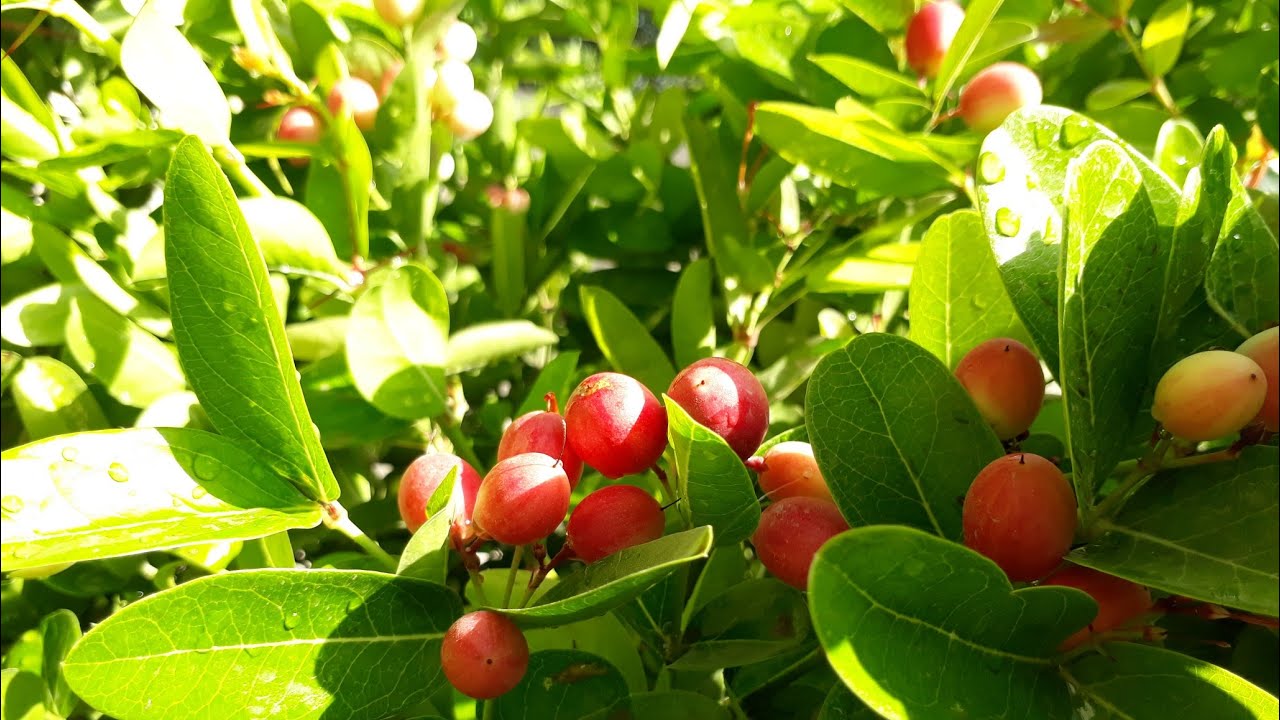
Are you looking for unique fruit plants in Bahrain? The cheese fruits plant in Bahrain is gaining popularity fast. This plant thrives in our hot climate. It produces healthy fruits all year. Plus, it needs very little care.
The cheese fruits plant is also called Noni. Some Bahrainis call it Indian mulberry. The name “cheese fruit” comes from its strong smell. When ripe, fruits smell like old cheese. But don’t let that put you off! The health benefits are amazing.
Growing Noni plants in Bahrain is easier than you think. Our weather is perfect for them. The heat helps them grow. The humidity suits them well. Even our salty coastal air doesn’t bother them.
In this guide, you’ll learn everything about cheese fruits plant in Bahrain. We’ll cover local growing conditions. We’ll discuss best practices for Bahrain. You’ll learn where to buy plants locally. Let’s get started!
Why Grow Cheese Fruits Plant in Bahrain?
Perfect Climate Match
Bahrain’s climate is ideal for cheese fruits plants. Our hot summers don’t stress them. They actually love temperatures above 35°C. When other plants struggle, Noni plants thrive.
Our humidity levels suit them perfectly. Cheese fruits plants come from tropical areas. They’re used to humid air. Bahrain’s coastal humidity matches their natural habitat. This means less work for you.
Even our winter is perfect. Bahrain rarely gets cold. Cheese fruits plants hate frost. We have none. They keep growing all winter. Just slower than summer.
Growing Tropical Fruits Locally
Why import when you can grow locally? Cheese fruits in Bahrain gardens give you fresh produce. No shipping costs. No storage time. Pick fruits when you need them.
Growing your own saves money. Imported Noni juice is expensive. A single cheese fruits plant produces many fruits. You get juice for free. Share with family and friends.
Local growing helps the environment too. Less transport means less pollution. You know exactly how your plant is grown. No chemicals unless you choose. It’s the healthy choice.
Water-Wise Gardening
Water is precious in Bahrain. We all know this. Cheese fruits plants need less water than most fruits. After the first year, they survive on little.
These plants have deep roots. They find water underground. They store water in thick leaves. During dry spells, they manage well. Perfect for water-conscious Bahraini gardeners.
Compare this to mango or citrus trees. Those need regular watering always. Noni plants are more forgiving. Miss a watering? They’ll survive. This suits our busy lives.
Health Benefits for Bahraini Families
Cheese fruits boost health naturally. Many Bahraini families now use Noni juice. They drink it for wellness. For energy. For immunity.
In Bahrain’s hot climate, staying healthy matters. The heat can tire us. Noni juice helps fight fatigue. It gives natural energy. No caffeine needed.
Diabetes is common in Bahrain. Studies show Noni may help blood sugar. Heart disease is another concern. Cheese fruits support heart health. These benefits matter to Bahraini families.
Best Varieties for Bahrain Gardens
Standard Noni
The regular Noni variety works great in Bahrain. It’s the most common type. Grows 4-6 meters tall. Produces medium-sized fruits. Very reliable.
This variety is heat-tolerant. It handles our summer perfectly. It fruits all year round. You get steady production. Easy to find in Bahrain nurseries.
The fruits are 5-7 cm long. They have the typical bumpy surface. Strong smell when ripe. Good for juice making. Most research uses this variety.
Dwarf Noni
Dwarf Noni varieties stay smaller. They grow only 2-3 meters tall. Perfect for small Bahraini gardens. Great for container growing too.
These produce smaller fruits. But more of them. The fruits are 3-5 cm long. Same health benefits. Just more compact plant size.
Good for urban Bahrain homes. Fits in small yards. Works on balconies. Even rooftop gardens. Very popular in Manama apartments.
Hawaiian Noni
Hawaiian Noni is a premium variety. It produces larger fruits. Better taste too. Less bitter than standard types.
This variety grows well in Bahrain. It likes our heat. It handles humidity. The fruits are 8-10 cm long. Great for eating fresh.
The plant grows 5-7 meters tall. Needs more space. But the quality is worth it. Some Bahrain fruit enthusiasts prefer this variety.
Thai Noni
Thai Noni is another good option. It’s popular in Southeast Asia. Works well in Bahrain too. Very productive variety.
The fruits are medium-sized. About 6-8 cm long. They have slightly less smell. Some people prefer this. Easier to process.
This variety fruits heavily. You get many fruits per plant. Good for making Noni juice in quantity. Some Bahrain health stores use this variety.
Growing Cheese Fruits Plant in Bahrain: Step by Step
Selecting the Perfect Spot
Choose your location carefully. Cheese fruits plants need full sun. Look for spots with 6-8 hours of sunlight. More is even better.
In Bahrain, most places get enough sun. But check for shadows. Buildings cast shade. Large trees block light. Pick an open area.
Consider your neighbors too. The fruits smell strong. Plant away from property lines. This prevents complaints. Good relations matter in Bahrain.
Check soil drainage. Dig a small test hole. Fill it with water. If water drains in 2-3 hours, good. If it stays longer, improve drainage.
Preparing Bahrain Soil
Most Bahrain soil is sandy. This is perfect for cheese fruits plants. They love good drainage. Sandy soil provides that.
But sand alone lacks nutrients. Add organic matter. Use compost from local suppliers. Mix it into planting area. About 30% compost, 70% existing soil.
For very poor soil, add more help. Use aged manure if available. Mix in some coco peat. This holds moisture better. Creates ideal growing mix.
If your soil is salty, treat it first. Add gypsum to the planting area. Use 1 kg per square meter. Water deeply. Wait two weeks. Then plant.
Planting Season in Bahrain
The best time to plant in Bahrain is spring. March and April are ideal. The weather is mild. Not too hot yet. Plants establish well.
Early fall also works. October to November is good. Again, mild weather helps. Plants have time before winter. They settle in nicely.
Avoid planting in summer. June to August is too hot. Young plants struggle. They need extra care. It’s possible but harder.
Winter planting is okay but slow. December to February is cool. Plants grow slowly. But they survive fine. By spring, they take off.
Planting Process
Dig a hole twice the root ball size. For plants from pots, match the pot depth. The hole should be 60-80 cm wide. This gives roots room.
Mix compost with dug soil. Use 50-50 mix. Fill bottom of hole. Create a small mound. This prevents settling.
Remove plant from pot carefully. Loosen roots gently. Don’t break them. Place on mound. Spread roots out.
Fill hole with soil mix. Pack gently as you go. Don’t compress too hard. Water should still drain. Leave a small basin around plant.
Water thoroughly after planting. Use at least 20 liters. This settles soil. Removes air pockets. Helps roots connect with soil.
Initial Care
First month is crucial. Water every 2-3 days. Keep soil moist but not wet. Check soil with your finger. Top 5 cm should dry between watering.
Provide some shade first week. Use shade cloth or palm fronds. This helps plant adjust. Remove shade after one week. Plant needs sun to grow.
Don’t fertilize immediately. Wait one month. Plant needs time to settle. Then start with light feeding. Use organic fertilizer first.
Watch for stress signs. Drooping leaves mean water stress. Yellow leaves mean too much water. Brown tips mean salt stress. Adjust care accordingly.
Caring for Cheese Fruits Plant in Bahrain Climate
Watering in Different Seasons
Summer watering (June-August): Water three times per week. Our summer is very hot. Cheese fruits plants need more water then. Water early morning or late evening. Midday watering wastes water through evaporation.
Spring and Fall watering (March-May, September-November): Water twice per week. Weather is milder. Plants need less. Check soil before watering. If top 5 cm is dry, water.
Winter watering (December-February): Water once per week. Cool weather reduces evaporation. Plants grow slower. They need less water. Don’t overwater in winter.
Always water deeply. Light watering creates shallow roots. Deep watering encourages deep roots. Deep roots make plants stronger. They handle stress better.
Fertilizing Schedule
Feed your cheese fruits plant regularly. Use this schedule:
Month 1-3: No fertilizer. Let plant settle first.
Month 4-12: Feed every 2 months. Use organic compost tea. Or use balanced NPK fertilizer (10-10-10). Follow package directions.
Year 2+: Feed monthly during growing season (March-October). Use organic fertilizer or NPK 15-15-15. In winter, reduce to every 2 months.
When plant starts flowering, add extra potassium. Use potassium sulfate or banana peel fertilizer. This boosts fruit production. Apply every 3 weeks during fruiting.
Avoid over-fertilizing. Too much causes problems. Leaves grow but no fruits. Plant becomes weak. Follow instructions carefully.
Pruning for Bahrain Conditions
Prune your cheese fruits plant annually. Best time is early spring. February to March is ideal. This is before main growing season.
Remove dead wood first. Cut diseased branches. Take out broken limbs. This keeps plant healthy.
Thin the center of plant. Remove crossing branches. This improves air flow. Important in Bahrain’s humid climate. Good airflow prevents fungal problems.
Control height if needed. Cheese fruits plants grow tall. Cut top branches to limit height. This makes harvesting easier. Forces side branching too.
Don’t over-prune. Remove maximum 20-30% of plant. More stresses the plant. Recovery takes time. Light annual pruning is better than heavy pruning.
Pest Control in Bahrain
Cheese fruits plants in Bahrain face few pests. But some appear:
Fruit flies: Very common in Bahrain. They attack ripe fruits. Solution: Cover fruits with paper bags. Or pick fruits slightly early. Process immediately.
Scale insects: Appear on stems and leaves. Look like brown bumps. Solution: Scrub with soft brush. Use soapy water. For bad cases, use neem oil spray.
Mealybugs: White, fluffy insects. Found in leaf joints. Solution: Spray with water first. If they return, use insecticidal soap. Available at Bahrain garden centers.
Ants: Often farm aphids on plants. Solution: Use diatomaceous earth around base. Or use ant bait stations. Keep ants away from plant.
Birds: Sometimes peck ripe fruits. Solution: Use bird netting. Or create shiny ribbons to scare them. Harvest fruits promptly.
Disease Management
Root rot: Caused by overwatering. Common mistake in Bahrain. Symptoms: Yellow leaves, wilting, plant collapse. Solution: Stop watering. Improve drainage. May need to replant in better location.
Leaf spot: Fungal disease in humid weather. Symptoms: Brown spots on leaves. Solution: Remove affected leaves. Spray with copper fungicide. Available at Bahrain plant shops. Improve air circulation.
Powdery mildew: White powder on leaves. Rare but possible. Symptoms: White coating, distorted growth. Solution: Spray with sulfur fungicide. Increase spacing between plants. Water morning only.
Anthracnose: Attacks fruits and leaves. Symptoms: Black sunken spots. Solution: Remove infected parts. Burn or trash them. Spray remaining plant. Keep area clean.
Good care prevents most diseases. Water correctly. Don’t over-fertilize. Keep area clean. Healthy plants resist disease naturally.
Harvesting Cheese Fruits in Bahrain
Identifying Ripe Fruits
Cheese fruits ripen gradually. Watch for these signs:
- Color change: Green turns to pale yellow or white
- Texture: Firm becomes slightly soft to touch
- Smell: Strong cheese-like odor develops
- Translucence: Skin becomes slightly see-through
- Size: Fruits reach full size (5-10 cm depending on variety)
In Bahrain’s heat, ripening takes 8-12 weeks. From flower to ripe fruit. Summer fruits ripen faster. Winter fruits take longer.
Some people harvest green. For certain uses, green is preferred. But for maximum nutrition, wait for full ripeness.
Best Harvesting Time
In Bahrain, harvest early morning. Before heat builds up. Fruits are cooler then. They handle better. Less juice loss.
Avoid afternoon harvesting. The heat softens fruits. They bruise easily. Quality drops. Morning harvest gives best results.
Check plants 2-3 times weekly. Fruits ripen at different times. Regular checking prevents over-ripening. You catch fruits at peak.
Harvesting Technique
Wear gloves when harvesting. The juice can irritate skin. Some people are sensitive. Better safe than sorry.
Twist fruits gently. Ripe ones come off easily. If resistant, wait longer. Not quite ready.
Use pruning shears for stubborn fruits. Cut stem close to fruit. Don’t tear branches. Clean cuts heal better.
Place fruits in a basket or bucket. Don’t drop them. They bruise easily. Bruised fruits spoil faster. Handle with care.
Yield in Bahrain Climate
A mature cheese fruits plant in Bahrain produces well. Expect 15-30 fruits per month. Summer production is higher. Winter is lower.
Young plants produce less. First fruits appear at 18-24 months. Production increases with age. By year 3, yield is good.
Older plants produce most. A 5-year-old tree can give 40+ fruits monthly. That’s nearly 500 fruits yearly. Plenty for family use. Extra to share.
Using Cheese Fruits: Bahrain Recipes and Methods
Making Fresh Noni Juice
Fresh Noni juice is most popular use. Here’s how Bahrainis make it:
Method 1 – Blending:
- Wash ripe cheese fruits
- Cut into chunks
- Blend with little water
- Strain through cloth
- Dilute with water or other juice
- Add honey if desired
- Drink 30-60 ml daily
Method 2 – Fermented:
- Wash ripe fruits
- Place in glass jar
- Leave in warm place
- Let ferment 3-4 weeks
- Strain and bottle
- Store in refrigerator
- Drink small amounts
Fermented juice is stronger. It has more benefits. But takes longer to make.
Traditional Bahraini Preparations
Some Bahraini families use traditional methods:
Noni with dates: Mix Noni juice with date syrup. This sweetens the taste. Combines two local superfoods. Drink in morning for energy.
Noni tea: Boil Noni leaves in water. Add cardamom for flavor. Drink for digestion. Some add honey.
Noni paste: Mash ripe fruits. Mix with local honey. Apply to skin for beauty. Old Bahraini remedy.
Storing Cheese Fruits
Fresh cheese fruits don’t store long. Use within 2-3 days. Store in refrigerator. Keep in plastic bag.
For longer storage:
Freezing: Cut fruits into chunks. Place in freezer bags. Remove air. Freeze up to 6 months. Use in smoothies.
Drying: Slice thin. Dry in sun or dehydrator. Store in airtight jar. Lasts 6-12 months. Rehydrate before use.
Juice preservation: Fresh juice keeps 3-4 days refrigerated. Freeze in ice cube trays. Use cubes as needed. Lasts 6 months frozen.
Where to Buy Cheese Fruits Plant in Bahrain
Local Plant Nurseries
Several nurseries in Bahrain carry cheese fruits plants:
Budaiya area: Multiple nurseries here. Known for fruit plants. Ask specifically for Noni or cheese fruits plant. Call ahead to check stock.
Saar nurseries: Several garden centers. Good selection of plants. Staff speak English and Arabic. Helpful advice provided.
Riffa plant shops: Traditional nurseries. Often have tropical plants. Prices are reasonable. Worth visiting.
A’ali region: Some nurseries specialize in fruit trees. Check for Noni plants. They may order if not in stock.
Call before visiting. Not all nurseries stock cheese fruits plants regularly. But they can often get them.
Farmers Markets
Bahrain farmers markets sometimes have plants. Check:
Budaiya Farmers Market: Thursdays and Saturdays. Some vendors sell plants. Ask around for Noni plants.
Riffa Market: Weekly on Fridays. Occasionally has plant sellers. Worth checking.
Markets offer good prices. You can negotiate. See plant before buying. Talk directly to growers.
Online Plant Stores
Online shopping is growing in Bahrain. Some stores deliver plants:
Search for “buy Noni plants Bahrain” online. Check social media too. Many sellers on Instagram. Look for local Bahrain accounts.
Facebook groups for Bahrain gardeners. Members often sell plants. Post asking for cheese fruits plants. Someone usually has them.
When buying online:
- Check seller reviews
- Ask for plant photos
- Confirm delivery method
- Check return policy
- Ask about plant size and age
Growing from Seeds
Cheapest option? Grow from seeds. Find someone with a cheese fruits plant. Ask for ripe fruits. Extract seeds yourself.
You can also buy seeds online. Much cheaper than plants. Seeds store well. Plant when ready.
Greenleaf Store may offer cheese fruits plants and tropical fruit seeds. We focus on plants that thrive in Bahrain. Our team understands local conditions. We provide ongoing support. Visit us for quality plants and expert advice.
Special Tips for Bahraini Growers
Coastal vs Inland Growing
Coastal areas (Manama, Muharraq, Sitra): Higher humidity benefits cheese fruits plants. Salt spray is manageable. Rinse leaves monthly with fresh water. This removes salt buildup.
Inland areas (Riffa, Hamad Town, Isa Town): Lower humidity. Water more often. Mist leaves in summer heat. Plant grows well but needs extra water care.
Container Growing in Bahrain
Many Bahrainis live in apartments. Or have small yards. Container growing works great:
Use large pots. Minimum 60 liters. Bigger is better. Large pots stay cooler. Hold moisture longer.
Use quality potting mix. Mix local sand with compost. Add some perlite for drainage. Good drainage is crucial.
Place containers on wheels. This lets you move plants. Seek shade in extreme heat. Move to sun in winter.
Water container plants more often. Pots dry faster. Check soil daily in summer. Every 2-3 days in winter.
Dealing with Extreme Heat Days
Some summer days hit 48-50°C. Even tough cheese fruits plants feel this:
Temporary shade: Use shade cloth on extreme days. 30-50% shade. Remove after heat passes.
Extra watering: Water in morning and evening. Not just once. Check soil moisture.
Mulch heavily: Add extra mulch around plant. Keeps roots cooler. Retains moisture.
Misting: Spray leaves with water. Do this early morning. Cools plant down.
Reflect heat: Place white stones around plant. They reflect heat. Reduces soil temperature.
Combining with Other Plants
Cheese fruits plants work well with other species:
Papaya trees: Both like heat and moisture. Similar care needs. Look good together.
Banana plants: Another good companion. Create tropical look. Share watering schedule.
Moringa trees: Both are superfoods. Both tolerate heat. Complementary benefits.
Date palms: Classic Bahraini combination. Palm provides afternoon shade. Noni grows in partial shade of palm.
Lemongrass: Plant underneath Noni tree. Uses same water. Repels some pests. Bonus harvest.
Avoid pairing with citrus trees. Different water needs. Citrus likes drier soil. Bad combination.
Conclusion
The cheese fruits plant in Bahrain is an excellent choice. Our climate suits it perfectly. The plant handles our heat. It tolerates humidity. It even manages salt air.
Growing your own cheese fruits makes sense. You get fresh, healthy produce. You save money on expensive imports. You know exactly how your food is grown. It’s the smart choice for health-conscious Bahrainis.
The plant needs little care once established. Water occasionally. Feed a few times yearly. Prune once a year. That’s it. It rewards you with steady fruit production. Month after month. Year after year.
Health benefits are proven. Traditional wisdom confirmed by modern science. Noni juice boosts immunity. It increases energy. It supports overall wellness. Perfect for Bahrain’s demanding climate and lifestyle.
Starting is easy. Visit local nurseries in Bahrain. Find healthy plants. Choose a sunny spot. Plant properly. Care regularly. Within two years, you’ll harvest your first fruits. By year three, production is strong.
Don’t let the smell scare you. Yes, the fruits smell strong. But the benefits far outweigh this. Thousands of Pacific islanders can’t be wrong. Centuries of traditional use prove its value.
Join the growing number of Bahrainis discovering cheese fruits plants. Transform your garden. Boost your health. Enjoy tropical fruits at home. The time to start is now.
Ready to grow your own cheese fruits plant in Bahrain? Visit Greenleaf Store for quality plants, expert guidance, and ongoing support. We’re your partner in creating thriving, productive gardens in Bahrain’s unique climate.