

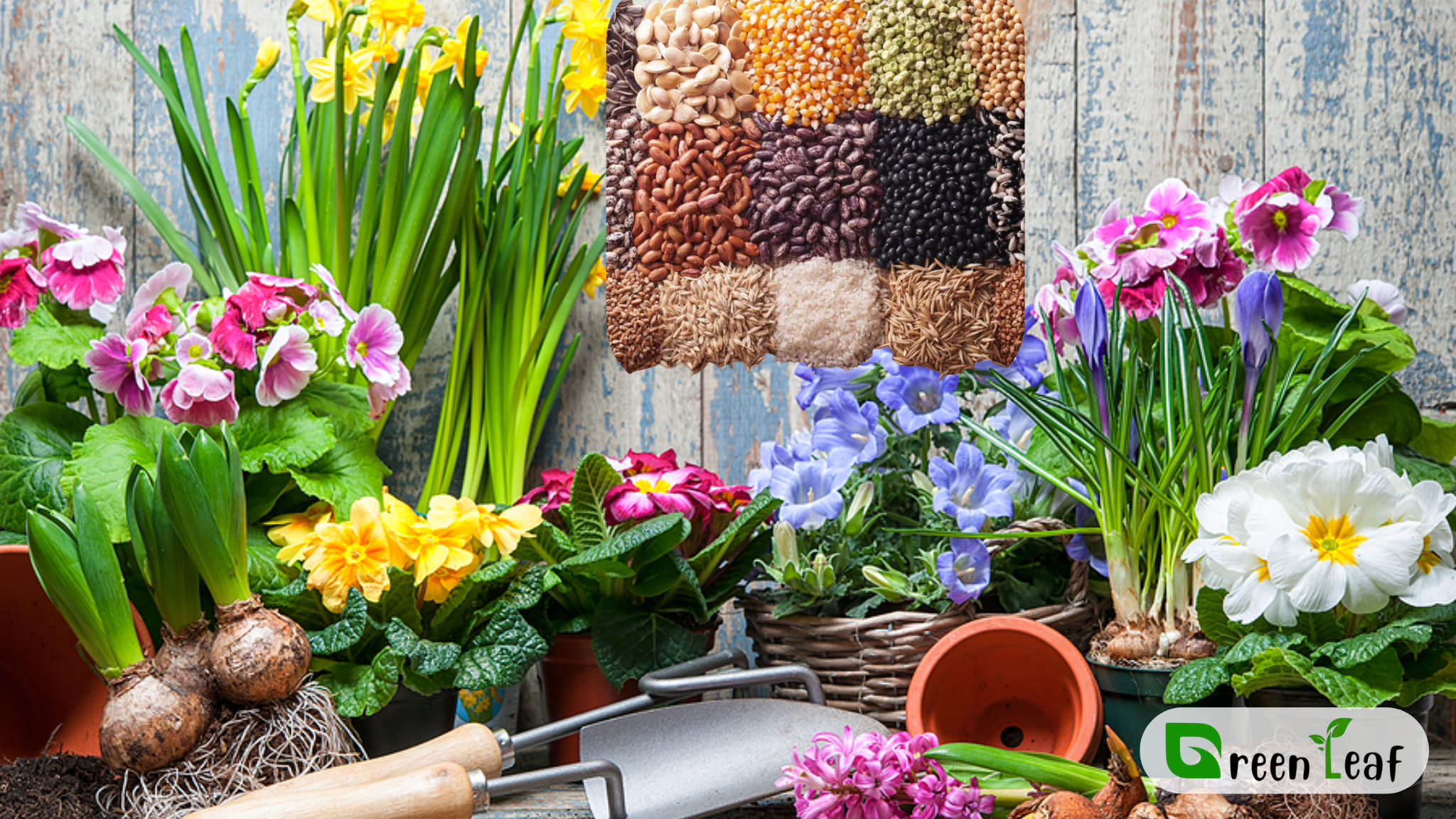
Understanding the Basics of Plants Flowers & Seeds
Growing a beautiful garden starts with understanding plants flowers & seeds. Every gardener needs to know how these three elements work together. Plants form the foundation of any garden space. Flowers add color and attract helpful insects. Seeds hold the promise of new life and future growth. Together, they create a living ecosystem in your backyard. When people start gardening, they often feel confused about where to begin. The good news is that working with plants flowers & seeds becomes easier with practice. Anyone can learn the basics and create a thriving garden. At green leaf store gardeners find everything they need to start their growing journey.
Why Plants Flowers & Seeds Matter for Your Garden
The Role of Plants in Your Garden Space
Plants serve many important purposes in outdoor spaces. They produce oxygen that people and animals need to breathe. Plants also help clean the air by removing harmful substances. Their roots hold soil in place and prevent erosion. Many plants provide food for birds, insects, and other wildlife. Some plants can even improve the soil quality over time. When gardeners choose the right plants, their gardens become healthier. Plants create shade during hot summer days. They also act as natural barriers for privacy. Understanding which plants work best takes time and experimentation. Different plants need different amounts of water, sunlight, and care.
How Flowers Bring Life to Gardens
Flowers make gardens more beautiful and inviting. They come in thousands of colors, shapes, and sizes. Flowers attract bees, butterflies, and hummingbirds to gardens. These visitors help with pollination, which creates more plants. Many flowers produce wonderful scents that fill the air. Some flowers can be cut and brought inside homes. Certain flowers even have medicinal or culinary uses. Gardeners can choose flowers that bloom in different seasons. This creates year round color and interest. Flowers also make people feel happier and more relaxed. Studies show that being around flowers improves mood. Every garden benefits from having a variety of flowering plants.
The Magic of Seeds and New Growth
Seeds are nature’s way of ensuring plant survival. Each tiny seed contains everything needed to grow a new plant. Seeds can stay dormant for months or even years. When conditions are right, they spring to life. Starting plants from seeds costs less than buying grown plants. Seeds also offer more variety than what nurseries stock. Gardeners can save seeds from their best plants. This creates stronger plants adapted to local conditions. Learning to work with seeds builds confidence and skills. Children especially enjoy watching seeds sprout and grow. Seeds connect people to the natural cycles of life.
Types of Plants Flowers & Seeds for Beginners
Annual Plants and Their Benefits
Annual plants complete their life cycle in one growing season. They grow, flower, produce seeds, and die within months. Annuals often produce more flowers than perennial plants. Popular annuals include marigolds, petunias, and zinnias. These plants are perfect for beginners learning about gardening. Annuals allow gardeners to try new colors each year. They fill in gaps between slower-growing perennial plants. Most annuals need regular watering and some fertilizer. They prefer sunny locations with well draining soil. Annuals create instant color and impact in gardens. Many annuals self seed, meaning they drop seeds for next year.
Perennial Plants for Long-Term Gardens
Perennial plants return year after year from the same roots. They die back in winter but regrow in spring. Perennials often take longer to establish than annuals. Once established, they require less maintenance and care. Popular perennials include daylilies, hostas, and coneflowers. These plants get bigger and stronger each year. Perennials save money because they don’t need annual replacement. Many perennials can be divided to create more plants. They form the backbone of a well planned garden. Perennials attract beneficial insects and wildlife. Different perennials bloom at different times throughout the growing season.
Choosing the Right Seeds for Your Climate
Climate plays a huge role in seed selection. Seeds that thrive in one area may fail elsewhere. Gardeners should know their hardiness zone before buying seeds. This helps them choose plants that survive local winters. Some seeds need cold treatment before they will sprout. Others require warm soil to germinate properly. Native plant seeds often perform best in their natural regions. They need less water and fewer pesticides. Reading seed packets provides important growing information. Packets tell when to plant, how deep, and spacing requirements. Starting with easy-to-grow seeds builds gardening confidence.
Starting Your Journey with Plants Flowers & Seeds
Preparing Soil for Planting Success
Good soil is the foundation of successful gardening. Plants need soil that drains well but holds moisture. Most plants flowers & seeds prefer soil rich in organic matter. Gardeners can improve soil by adding compost or aged manure. Testing soil pH helps determine what will grow best. Some plants prefer acidic soil while others like alkaline conditions. Breaking up compacted soil allows roots to grow freely. Removing rocks and debris creates a better planting environment. Working the soil when it’s too wet can damage structure. The soil should crumble easily in your hand when ready. Healthy soil contains beneficial microorganisms and earthworms. These creatures help break down nutrients for plant use.
When to Plant Different Types of Seeds
Timing is crucial when planting seeds outdoors. Cool-season crops prefer early spring or fall planting. These include lettuce, peas, and many flowers. Warm-season plants need soil that has warmed up. Tomatoes, peppers, and most flowers fall into this category. Seed packets provide specific timing recommendations. Some gardeners start seeds indoors before the last frost. This gives plants a head start on the growing season. Direct seeding works well for plants that dislike transplanting. Moon phases and weather patterns can influence planting success. Local gardening calendars help determine the best planting times. Experience teaches gardeners the perfect timing for their specific location.
Watering and Caring for New Plantings
Newly planted seeds and seedlings need consistent moisture. The soil should stay damp but never waterlogged. Overwatering kills more plants than underwatering does. Morning watering is best because plants dry before nightfall. This prevents fungal diseases from taking hold. Young plants need more frequent watering than established ones. Mulching around plants helps retain soil moisture. It also prevents weeds from competing with young plants. Checking soil moisture with a finger works better than watering schedules. Different plants have different watering needs. Drought tolerant plants need less water once established. Observing plants daily helps catch problems early.
Growing Beautiful Flowers from Seeds
Popular Flower Seeds for Beginners
Starting with easy flowers builds gardening confidence. Sunflowers are among the easiest flowers to grow from seed. They sprout quickly and tolerate various conditions. Marigolds repel pests and produce cheerful blooms. Zinnias come in many colors and attract butterflies. Cosmos grow tall and produce delicate flowers. Nasturtiums have edible flowers and leaves. These flowers all germinate reliably and forgive mistakes. They don’t require special treatment or equipment. Most bloom within weeks of planting. Starting these flowers teaches basic gardening skills. Success with easy flowers encourages trying more challenging varieties.
Creating a Cutting Garden with Flowers
Cutting gardens provide fresh flowers for indoor arrangements. These gardens focus on flowers with long stems. Zinnias, cosmos, and dahlias make excellent cutting flowers. Plant cutting gardens in rows for easy access. This makes harvesting simpler than ornamental garden layouts. Cut flowers early in the morning when stems are full of water. Remove lower leaves that would sit below water level. Change vase water every few days to extend flower life. Growing your own cutting flowers saves money. It also allows access to varieties not sold in stores. Cutting flowers encourages plants to produce more blooms. A cutting garden brings joy both outdoors and inside.
Saving Seeds from Your Favorite Flowers
Seed saving connects gardeners to traditional growing methods. It allows gardeners to preserve favorite plant varieties. Wait until flowers completely dry on the plant before harvesting. Remove seeds on a dry, sunny day. Store seeds in paper envelopes or small jars. Label each container with the plant name and date. Keep seeds in a cool, dry, dark location. Most flower seeds remain viable for several years. Some seeds need special processing before storage. Heirloom varieties pass traits consistently to the next generation. Hybrid flowers may not grow true from saved seeds. Seed saving creates a personal seed bank for future years.
Essential Tips for Plant Care and Growth
Understanding Sunlight Requirements for Plants
Sunlight powers plant growth through photosynthesis. Different plants need different amounts of light. Full sun means six or more hours of direct sunlight. Partial shade offers three to six hours of sun. Full shade receives less than three hours of direct sun. Observing your garden throughout the day reveals light patterns. South facing areas usually receive the most sun. Trees and buildings create shade at different times. Matching plants to available light ensures better success. Sun loving plants become weak and spindly in shade. Shade plants burn and struggle in too much sun. Reading plant tags helps determine light requirements. At green leaf store detailed plant information helps gardeners make smart choices.
Fertilizing Plants Flowers & Seeds Properly
Plants need nutrients to grow strong and healthy. Nitrogen promotes green leafy growth. Phosphorus supports root development and flowering. Potassium helps overall plant health and disease resistance. Organic fertilizers release nutrients slowly over time. Chemical fertilizers work quickly but can burn plants. Compost provides a balanced mix of many nutrients. Most plants flowers & seeds benefit from regular feeding. Flowering plants need more phosphorus when forming buds. Too much fertilizer can cause more problems than too little. Following package directions prevents over fertilizing. Observing plant growth reveals nutrient deficiencies. Yellow leaves might indicate nitrogen deficiency. Poor flowering could mean insufficient phosphorus.
Protecting Plants from Pests and Diseases
Garden pests and diseases challenge every gardener. Healthy plants resist problems better than stressed plants. Regular inspection helps catch issues early. Removing affected leaves prevents disease spread. Many pests can be removed by hand. Encouraging beneficial insects provides natural pest control. Ladybugs eat aphids that damage plants. Companion planting can deter certain pests. Marigolds repel some harmful insects. Good air circulation prevents fungal diseases. Avoid watering late in the day. Water on leaves overnight encourages disease. Organic pest control methods are safer for the environment. Chemical pesticides should be a last resort. Prevention works better than trying to cure problems.
Advanced Techniques for Plants Flowers & Seeds
Starting Seeds Indoors for Early Growth
Indoor seed starting extends the growing season. It allows gardeners to grow varieties not available locally. Seeds need warmth, moisture, and light to sprout. Seed starting mix drains better than regular potting soil. Small containers with drainage holes work well for starting seeds. Cover containers with plastic to maintain moisture. Remove plastic once seeds sprout to prevent mold. Seedlings need strong light to grow properly. A sunny south window works for some plants. Grow lights provide more consistent light for seedlings. Keep soil moist but not soggy. Transplant seedlings to larger containers as they grow. Harden off indoor grown plants before moving them outside.
Companion Planting with Plants Flowers & Seeds
Companion planting pairs plants that benefit each other. Some plants repel pests that attack their neighbors. Others attract beneficial insects that eat harmful pests. Tall plants can provide shade for sun sensitive plants. Deep rooted plants bring up nutrients for shallow rooted plants. Beans add nitrogen to soil that helps corn grow. Basil planted near tomatoes improves their flavor. Nasturtiums attract aphids away from other plants. Marigolds deter many common garden pests. Some combinations don’t work well together. Certain plants compete for the same nutrients. Learning companion planting takes time and experimentation. Traditional gardeners have used these methods for centuries.
Creating a Succession Garden Throughout Seasons
Succession planting provides continuous harvests and blooms. Plant small amounts every few weeks instead of all at once. This prevents too much produce or too many flowers at once. Cool season crops can follow warm season harvests. As spring lettuce finishes, plant summer beans. Fall crops replace tired summer plants. Some flowers bloom in spring while others peak in fall. Planning succession plantings takes careful thought. Keep records of planting dates and harvest times. This information helps plan better for next year. Succession planting maximizes garden space and productivity. It keeps the garden interesting throughout the growing season.
Seasonal Care for Plants Flowers & Seeds
Spring Planting and Garden Preparation
Spring marks the beginning of the main growing season. Gardeners prepare beds by removing winter debris. Working compost into soil adds nutrients for plants. Early spring suits cool season plants flowers & seeds. Peas, lettuce, and many flowers tolerate light frost. Wait until soil warms before planting tender plants. Working wet soil damages its structure. Soil should crumble easily when squeezed. Spring brings both hope and unpredictable weather. Late frosts can damage tender seedlings. Row covers protect plants from unexpected cold snaps. Mulching helps retain spring moisture. Spring rains can cause soil to stay too wet. Good drainage becomes especially important during this season.
Summer Maintenance and Watering Strategies
Summer heat stresses both gardeners and gardens. Consistent watering becomes crucial during hot weather. Early morning watering allows plants to absorb moisture. Mulch helps soil retain water between watering. Deadheading spent flowers encourages more blooms. This means removing faded flowers before they form seeds. Many plants slow down during extreme heat. This is normal and not cause for concern. Shade cloth can protect heat sensitive plants. Container plants need more frequent watering than garden beds. Fertilizing supports continued growth and flowering. Watching for pests becomes more important in summer. Warm weather encourages rapid pest reproduction. Summer storms can damage tall plants. Staking provides support for heavy flowers and vegetables.
Fall Harvesting and Seed Collection
Fall brings cooler temperatures and harvest time. Many plants flowers & seeds produce their best growth now. Collecting seeds for next year is a fall activity. Seeds must be completely dry before storage. Fall is perfect for planting spring blooming bulbs. Perennials can be divided and replanted. This creates more plants from existing ones. Cool season crops can be planted for fall harvest. Many vegetables taste sweeter after light frost. Fall cleanup prevents overwintering pests and diseases. Compost healthy plant material for next year. Remove diseased plants completely from the garden. Mulching protects perennial roots through winter. Fall gardening extends the growing season considerably. The cooler weather makes outdoor work more pleasant.
Winter Planning and Preparation
Winter gives gardeners time to plan and dream. Seed catalogs arrive with tempting new varieties. Planning crop rotation prevents soil depletion. Rotating plant families reduces pest and disease buildup. Winter is perfect for learning new gardening skills. Reading gardening books and articles builds knowledge. Organizing seeds and supplies prepares for spring. Checking stored tools and repairing damaged ones. Indoor seed starting begins in late winter. This gives plants a head start on spring. Winter mulch protects perennial plants from freeze thaw cycles. Some gardeners grow microgreens indoors during winter. These provide fresh greens in cold months. Visiting green leaf store helps gardeners prepare for the upcoming season with quality supplies and expert guidance.
Benefits of Growing Your Own Plants Flowers & Seeds
Health Benefits of Gardening Activities
Gardening provides excellent physical exercise. Digging, planting, and weeding build strength. Spending time outdoors improves mental health. Sunlight helps bodies produce vitamin D. This vitamin supports bone health and immune function. Gardening reduces stress and anxiety levels. The repetitive motions can be meditative and calming. Growing food provides fresh, nutritious produce. Homegrown vegetables taste better than store bought varieties. Gardening connects people to nature’s rhythms. This connection provides perspective and peace. Working with soil exposes people to beneficial microbes. These may support immune system function. Gardens create beautiful spaces for relaxation. Even small gardens provide these health benefits.
Environmental Benefits of Home Gardens
Home gardens support environmental sustainability. Plants produce oxygen and clean the air. Gardens reduce urban heat island effects. Green spaces cool surrounding areas naturally. Growing food locally reduces transportation pollution. Home gardens eliminate packaging waste. They support declining pollinator populations. Bees, butterflies, and birds need flowering plants. Organic gardening avoids harmful chemical pesticides. This protects water sources from contamination. Gardens create habitat for beneficial wildlife. Even small gardens support biodiversity. Composting kitchen scraps reduces landfill waste. Gardens demonstrate environmental stewardship to others. Children who garden learn environmental responsibility. Every garden makes a positive environmental impact.
Economic Advantages of Growing Plants Flowers & Seeds
Growing plants flowers & seeds saves considerable money. Seeds cost much less than purchased plants. One packet of seeds produces many plants. Homegrown vegetables reduce grocery bills significantly. Fresh herbs from the garden are practically free. Growing cut flowers eliminates expensive florist purchases. Perennial plants provide value for many years. Saving seeds eliminates buying new ones annually. Sharing excess produce with neighbors builds community. Trading seeds and plants with other gardeners saves money. Gardens increase property values and curb appeal. Beautiful landscaping makes homes more attractive to buyers. Learning to garden is an investment in future savings. Skills develop over time and improve results. Gardening provides valuable returns on small investments.
Common Mistakes When Working with Plants Flowers & Seeds
Overwatering and Its Consequences
Overwatering is the most common gardening mistake. Plants need oxygen at their roots to survive. Too much water drowns roots and causes rot. Soggy soil creates perfect conditions for diseases. Fungal problems thrive in constantly wet conditions. Overwatered plants may have yellow leaves. They often wilt even though soil is wet. This confuses gardeners who add more water. The additional water makes the problem worse. Good drainage prevents most overwatering issues. Containers need holes that allow excess water to escape. Checking soil moisture before watering prevents problems. Stick a finger into soil to check dampness. Wait until the top inch feels dry before watering again. Different plants have different water needs. Learning these requirements takes time and observation.
Planting Seeds Too Deep or Too Shallow
Seed depth affects germination success significantly. Each type of seed has an ideal planting depth. Tiny seeds often need light to germinate. These should barely be covered with soil. Large seeds need deeper planting for stability. A general rule is planting twice the seed’s diameter deep. Too deep and seeds rot before reaching sunlight. Too shallow and they dry out before sprouting. Seed packets always list recommended planting depth. Following these instructions improves success rates. Soil should be firmed gently over seeds. This ensures good seed-to-soil contact. Consistent moisture is crucial after planting. Seeds can’t survive drying out during germination. Covering planted areas with mulch helps retain moisture. Clear plastic can create a mini-greenhouse effect.
Ignoring Plant Spacing Requirements
Proper spacing is essential for healthy plant growth. Crowded plants compete for light, water, and nutrients. This competition weakens all the plants involved. Air circulation decreases between crowded plants. Poor air flow encourages fungal diseases to develop. Spacing recommendations appear on seed packets. These guidelines ensure each plant has adequate room. Thinning seedlings is hard but necessary. Gardeners hate removing perfectly good plants. However, thinning creates healthier remaining plants. Crowded plants also make harvesting more difficult. Proper spacing allows gardeners to walk between plants. This makes maintenance and harvesting much easier. Wide spacing may look bare at first. Plants will fill in as they grow larger.
FAQ Section
Q1: How long do seeds stay good for planting?
Most seeds remain viable for two to five years when stored properly. Storage conditions greatly affect seed longevity. Keep seeds in a cool, dry, and dark location. Moisture and heat reduce seed viability quickly. Some seeds like onions and parsnips last only one year. Others like tomatoes and beans can last five years or more. Testing old seeds before planting saves disappointment. Place ten seeds on a damp paper towel. Cover with plastic and wait for germination. If fewer than half sprout, buy fresh seeds. Proper storage in sealed containers extends seed life. Silica gel packets help control moisture in storage containers.
Q2: What is the easiest way to start growing plants flowers & seeds?
Starting with easy, forgiving plants builds confidence quickly. Sunflowers, marigolds, and zinnias are beginner friendly flowers. These germinate quickly and tolerate minor mistakes. Vegetables like beans, peas, and radishes also work well. Begin with a small area rather than a large garden. This prevents feeling overwhelmed by maintenance needs. Use quality potting mix or improved garden soil. Good soil makes a huge difference in success rates. Follow seed packet directions carefully for each plant. Water regularly but avoid overwatering the soil. Start seeds after the last frost date for your area. Success with first plants encourages continued gardening efforts.
Q3: Do flowers need different care than other plants?
Flowering plants have some specific care requirements. Most flowers need more sunlight than foliage plants. Six to eight hours of direct sun produces the most blooms. Flowering plants often need more phosphorus fertilizer. This nutrient supports bud and bloom formation. Deadheading spent flowers encourages continued blooming. This prevents energy from going into seed production. Many flowers benefit from pinching back young plants. This creates bushier growth and more flowering stems. Some flowers need staking to prevent flopping over. Tall varieties or those with heavy blooms need support. Otherwise, flowers require the same basic care as other plants. Water, appropriate soil, and pest control matter for all plants.
Q4: Can I grow plants flowers & seeds in containers?
Container gardening works wonderfully for many plants. Containers suit gardeners with limited space perfectly. Balconies, patios, and small yards accommodate containers. Almost any plant can grow in an appropriate container. The container must have drainage holes to prevent waterlogging. Use quality potting mix rather than garden soil. Potting mix drains better and weighs less than regular soil. Container plants need more frequent watering than garden plants. Soil in containers dries out faster than ground soil. Fertilize container plants more often as nutrients wash out. Containers can be moved to optimize sun exposure. This flexibility is a major advantage of container gardening. Containers also allow control over soil quality and composition.
Q5: When should I start seeds indoors versus planting directly outside?
The decision depends on several important factors. Seeds of tender plants benefit from indoor starting. Tomatoes, peppers, and eggplants need long growing seasons. Starting them indoors gives plants a head start. This allows fruit to ripen before fall frost. Some plants dislike transplanting and prefer direct seeding. Carrots, beans, and peas grow better from direct seeding. Their roots are sensitive to transplant disturbance. Check the last frost date for your area. Count backwards using days to maturity from seed packets. This determines when to start seeds indoors. Generally, start seeds six to eight weeks before transplanting outside. Indoor starting requires grow lights or sunny windows. Direct seeding is simpler but offers less control. Both methods work well for different plant types.
Conclusion
Working with plants flowers & seeds brings joy and satisfaction to gardeners. Understanding basic principles helps create beautiful and productive gardens. Starting with easy plants builds the confidence needed for success. Learning proper planting, watering, and care techniques takes time. Every gardener makes mistakes, but each mistake teaches valuable lessons. Gardens connect people to nature and provide numerous benefits. Physical activity, fresh air, and beautiful surroundings improve wellbeing. Homegrown plants flowers & seeds save money while supporting the environment. The gardening community welcomes beginners and shares knowledge generously. Starting a garden requires minimal investment but provides lasting rewards. Whether growing flowers for beauty or vegetables for food, gardening enriches lives. Each season brings new opportunities to learn and grow. With patience and practice, anyone can become a successful gardener. The journey with plants flowers & seeds continues throughout a lifetime. Every garden tells a unique story of growth, challenges, and triumphs.