

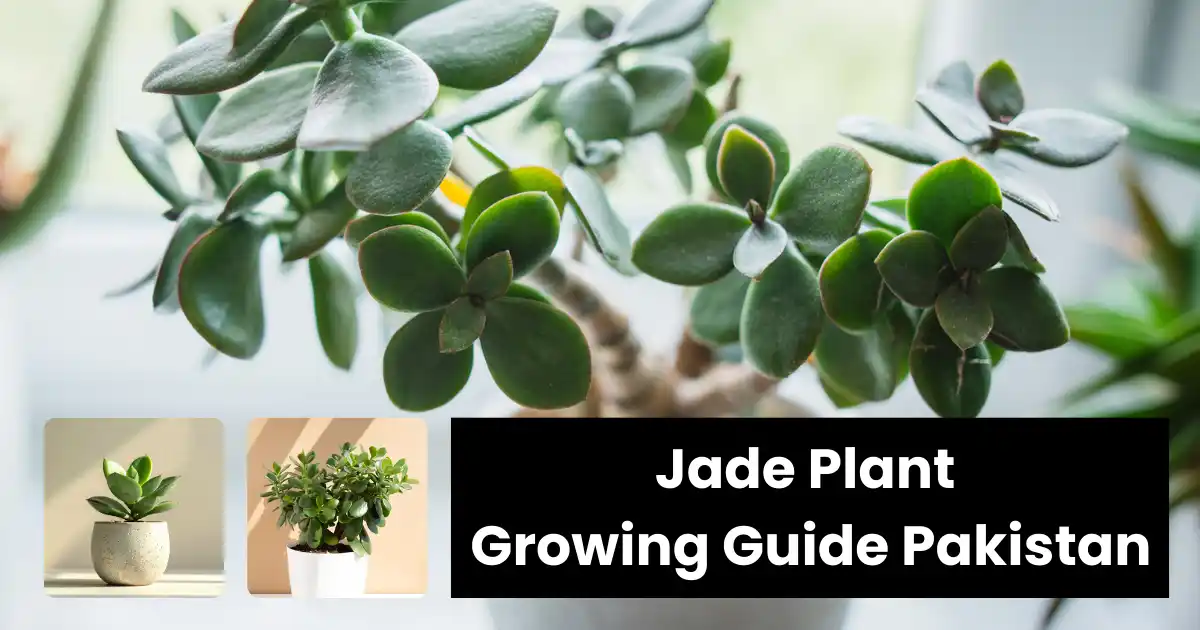
Introduction to the Beautiful Jade Plant
The jade plant is one of Pakistan’s most popular houseplants. Many people love this green beauty for its thick leaves and easy care. This amazing plant brings good luck to homes across Karachi, Lahore, and Islamabad. The jade plant grows well in Pakistan’s warm climate. It needs very little water and can live for many years with proper care.
At Green Leaf Store, we help Pakistani plant lovers grow healthy jade plants. Our customers from Rawalpindi to Faisalabad trust us for the best plant care advice. The jade plant makes homes look fresh and brings positive energy to any room.
What Makes the Jade Plant Special
Origin and History of Jade Plants
The jade plant comes from South Africa originally. Scientists call it Crassula ovata, but most people just say jade plant. This succulent traveled around the world and now grows in many countries. In Pakistan, the jade plant became popular in the last twenty years.
People in China believe the jade plant brings wealth and prosperity. That’s why many Pakistani families keep jade plants near their front doors. The thick, round leaves look like coins, which symbolizes money coming into the home.
Physical Features of Your Jade Plant
A healthy jade plant has thick, fleshy leaves that store water inside. The leaves are usually green but can turn red at the edges when they get lots of sunlight. The stem becomes woody as the plant grows older, making it look like a tiny tree.
Young jade plants stay small and bushy. Mature plants can grow up to three feet tall indoors. The jade plant produces small white or pink flowers, but this happens rarely when grown inside Pakistani homes.
Why Jade Plants Thrive in Pakistan’s Climate
Perfect Weather Conditions
Pakistan’s hot, dry climate matches the jade plant’s natural habitat perfectly. Cities like Quetta and Multan have the right temperature for jade plants to grow strong. The plant loves warm days and cool nights, which Pakistan provides naturally.
During summer months, jade plants grow faster in Pakistani homes. The high temperatures help the plant develop stronger roots and thicker leaves. Winter temperatures in most Pakistani cities stay warm enough for jade plants to survive easily.
Humidity Levels That Work
Pakistani homes usually have low humidity, which jade plants prefer. Too much moisture in the air can cause problems for these succulents. The dry air in places like Peshawar and Hyderabad keeps jade plants healthy year-round.
Air conditioning in Pakistani homes creates even better conditions for jade plants. The cool, dry air prevents fungal diseases that can harm other houseplants.
Step-by-Step Jade Plant Care Guide
Choosing the Right Pot and Soil
Your jade plant needs a pot with drainage holes at the bottom. Water must flow out easily, or the roots will rot in Pakistan’s humid monsoon season. Clay pots work better than plastic ones because they let excess water evaporate quickly.
Use cactus soil mix or make your own by mixing regular potting soil with sand. The soil should drain water fast but still hold some moisture. At Green Leaf Store, we recommend adding small stones to the bottom of the pot for extra drainage.
Never use garden soil from outside for your jade plant. Regular dirt holds too much water and can kill your plant during Pakistan’s rainy season.
Watering Your Jade Plant Correctly
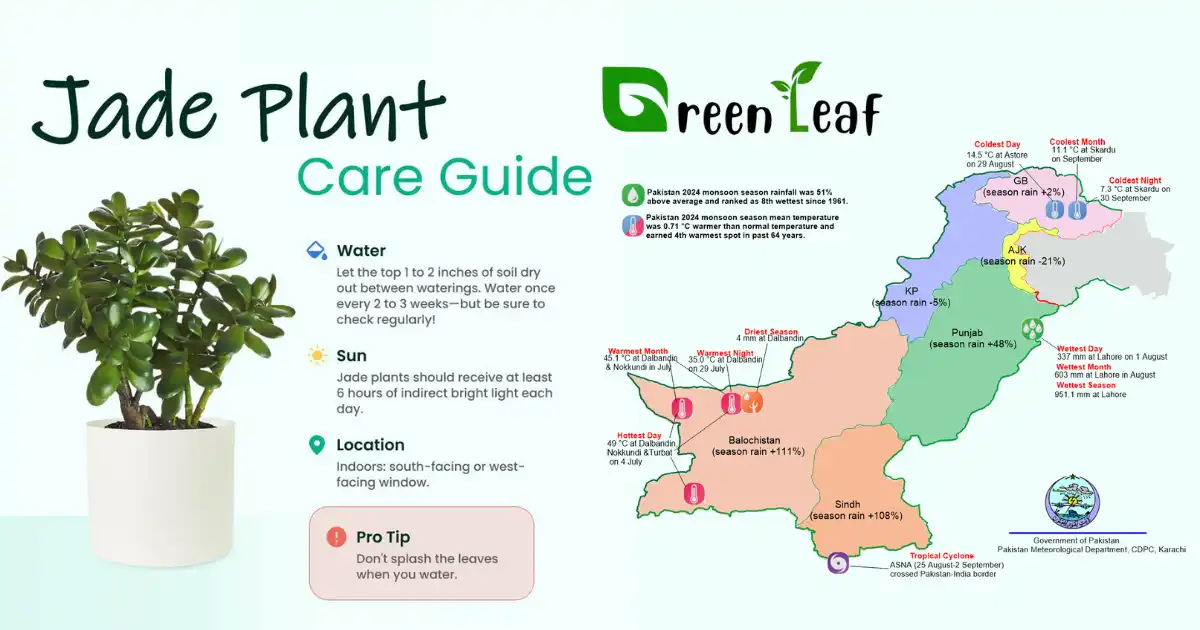
The jade plant needs water only when the soil feels completely dry. Stick your finger into the soil about two inches deep. If it feels wet, wait a few more days before watering again.
In Pakistan’s hot summer months, you might need to water your jade plant once a week. During winter, water it only every two or three weeks. Always pour water until it runs out of the drainage holes, then empty the saucer underneath.
Never let your jade plant sit in standing water. This kills the roots faster than anything else. Pakistani plant owners often make this mistake during monsoon season when humidity is high.
Light Requirements for Healthy Growth
Place your jade plant near a bright window that gets morning sunlight. East-facing windows work perfectly in Pakistani homes. The jade plant needs at least four hours of direct sunlight each day to stay healthy.
South-facing windows in Pakistan can be too hot during summer afternoons. If you only have a south window, use a sheer curtain to filter the harsh sunlight. This prevents the leaves from getting sunburned in Pakistan’s intense heat.
Indoor jade plants can survive in bright indoor light if you don’t have good window spots. LED grow lights also work well for jade plants in Pakistani apartments without much natural light.
Temperature Control for Pakistani Homes
Keep your jade plant in temperatures between 65-75°F (18-24°C) for best growth. Most Pakistani homes stay within this range naturally, especially with air conditioning during hot months.
Avoid placing your jade plant near heating vents or air conditioning units that blow directly on the leaves. Sudden temperature changes can stress the plant and cause leaves to drop off.
During Pakistan’s winter months, keep jade plants away from cold windows at night. Even though winters are mild in most Pakistani cities, cold glass can still damage the leaves.
Common Problems and Solutions
Yellow Leaves on Your Jade Plant
Yellow leaves usually mean you’re giving your jade plant too much water. This happens often during Pakistan’s monsoon season when the air is already humid. Stop watering immediately and let the soil dry out completely.
Check the roots if many leaves turn yellow at once. Black, mushy roots mean root rot has started. You might need to repot your jade plant in fresh, dry soil to save it.
Sometimes yellow leaves mean the plant needs more sunlight. Move it closer to a bright window and watch for new green growth in the following weeks.
Dropping Leaves Problem
Jade plants drop leaves when they get stressed by changes in their environment. Moving your plant to a new spot, changing watering schedules, or temperature swings can cause this problem.
Overwatering causes more leaf drop than underwatering. The jade plant would rather be too dry than too wet. Pakistani plant owners should be extra careful during humid summer months.
New jade plants from Green Leaf Store might drop a few leaves when you first bring them home. This is normal as they adjust to their new environment in your Pakistani home.
Pest Control for Jade Plants
Mealybugs are the most common pests that attack jade plants in Pakistan. These white, fuzzy insects hide in the spaces between leaves and stems. Remove them with a cotton swab dipped in rubbing alcohol.
Spider mites can also bother jade plants, especially during Pakistan’s dry winter months. Spray the leaves with water once a week to keep these tiny pests away. Make sure to let the plant dry completely afterward.
Scale insects look like small brown bumps on the stems and leaves. Scrape them off gently with your fingernail or use insecticidal soap to treat the whole plant.
Propagating Your Jade Plant
Growing New Plants from Leaf Cuttings
The jade plant is incredibly easy to propagate in Pakistan’s warm climate. Simply remove a healthy leaf by gently twisting it off the stem. Let the leaf sit in a dry place for three to five days until the cut end forms a callus.
Place the callused leaf on top of cactus soil mix. Don’t bury it or water it yet. After about two weeks, tiny roots and a new plant will start growing from the base of the leaf.
Once the new plant is about half an inch tall, you can start watering it very lightly. This method works especially well during Pakistan’s warm spring and summer months.
Stem Cutting Propagation Method
Cut a healthy stem about three to four inches long from your jade plant. Let the cut end dry for a week in Pakistan’s dry air. This prevents the cutting from rotting when you plant it.
Plant the dried stem cutting in cactus soil mix, burying about one inch of the stem. Water it very lightly once a week until new growth appears. This usually takes four to six weeks in Pakistani homes.
Keep the new cutting in bright, indirect light while it develops roots. Direct sunlight might be too strong for the tender new plant during Pakistan’s hot summer days.
Repotting Your Jade Plant
When to Repot Your Plant
Repot your jade plant every two to three years, or when roots start growing out of the drainage holes. Spring is the best time for repotting in Pakistan, just before the growing season begins.
Choose a pot only slightly larger than the current one. Jade plants like to be a bit crowded, and too much soil holds too much water. This is especially important during Pakistan’s monsoon season.
If your jade plant becomes top-heavy and tips over easily, it’s definitely time for a bigger pot. The new pot should be wide enough to balance the plant’s growth.
Repotting Process Step by Step
Remove your jade plant from its old pot carefully. Shake off most of the old soil and look at the roots. Cut away any black or mushy roots with clean scissors.
Fill the new pot one-third full with fresh cactus soil mix. Place the plant in the center and add more soil around the sides. Don’t pack the soil too tightly – jade plants need good air circulation around their roots.
Wait at least a week before watering your newly repotted jade plant. This gives any damaged roots time to heal and prevents root rot in Pakistan’s humid conditions.
Jade Plant Benefits for Pakistani Homes
Air Purification Properties
The jade plant helps clean the air in your Pakistani home by removing harmful chemicals. Like other succulents, it continues working even during Pakistan’s dusty summer months when air quality can be poor.
This natural air filter works especially well in bedrooms and living rooms. Many Pakistani families notice their homes smell fresher with jade plants around.
Low Maintenance for Busy Lifestyles
Pakistani professionals love jade plants because they need so little care. You can travel for work or go on family visits without worrying about your jade plant dying.
Students in Karachi and Lahore choose jade plants for their hostel rooms because they survive even with irregular watering. The plant forgives mistakes that would kill other houseplants.
Feng Shui and Cultural Significance
Many Pakistani families place jade plants near their home’s entrance to attract good fortune. The round, coin-shaped leaves represent wealth and prosperity in Asian traditions that have spread to Pakistan.
Business owners in Pakistani cities often keep jade plants in their offices. They believe these plants bring financial success and positive energy to their work environment.
Seasonal Care Tips for Pakistan
Summer Care in Hot Pakistani Cities
During Pakistan’s intense summer heat, move your jade plant away from south-facing windows during the hottest part of the day. Morning and late afternoon sun is perfect, but midday sun can burn the leaves.
Water your jade plant more frequently in summer, but still let the soil dry between waterings. The high temperatures make water evaporate faster from both the soil and the plant’s leaves.
Use air conditioning to keep your jade plant comfortable during Pakistan’s hottest months. The cool, dry air actually helps the plant grow better than hot, humid conditions.
Monsoon Season Precautions
Pakistan’s monsoon season brings high humidity that jade plants don’t like. Move your plant away from open windows where rain might splash on it.
Water your jade plant much less during monsoon months. The humid air means soil stays wet longer, increasing the risk of root rot. Check the soil extra carefully before adding any water.
If your jade plant starts looking unhealthy during monsoon season, it probably has too much moisture. Move it to the driest, brightest spot in your home until the weather improves.
Winter Care Guidelines
Most Pakistani cities have mild winters that jade plants handle easily. Keep your plant in the warmest, brightest room of your home during cooler months.
Reduce watering to once every three weeks during winter. The jade plant grows more slowly in cooler weather and needs less water to stay healthy.
If you live in northern Pakistan where winters get cold, bring outdoor jade plants inside before temperatures drop below 50°F (10°C).
Troubleshooting Common Issues
Soft, Mushy Leaves
Soft leaves that feel mushy usually mean your jade plant has root rot from too much water. This problem happens quickly during Pakistan’s humid monsoon season if you’re not careful with watering.
Remove the plant from its pot immediately and check the roots. Cut away any black, smelly roots with clean scissors. Repot in completely dry cactus soil and don’t water for at least two weeks.
Prevention is better than trying to fix root rot. Always let the soil dry completely between waterings, especially during Pakistan’s rainy season.
Stretching and Leggy Growth
If your jade plant grows tall and skinny with lots of space between leaves, it needs more sunlight. Move it closer to your brightest window or add a grow light.
Pinch off the growing tips to encourage bushy growth instead of tall, weak stems. This works especially well during Pakistan’s spring growing season.
Rotate your jade plant every few weeks so all sides get equal light. This prevents the plant from leaning toward the window and growing unevenly.
Brown Spots on Leaves
Brown spots usually mean sunburn from too much direct sunlight during Pakistan’s hottest months. Move your plant back from the window or use a sheer curtain to filter the light.
Sometimes brown spots indicate overwatering problems. Check if the spots feel soft and mushy, which means too much water. Hard, dry brown spots are usually from too much sun.
Remove badly damaged leaves to keep your jade plant looking its best. New, healthy leaves will grow to replace the damaged ones within a few weeks.
Advanced Jade Plant Care Techniques
Pruning for Shape and Health
Regular pruning keeps your jade plant compact and healthy. Use clean, sharp scissors to cut just above a leaf joint where you want new growth to start.
The best time to prune jade plants in Pakistan is during spring when they start growing actively again. Avoid heavy pruning during the hot summer months or during monsoon season.
Save your pruning cuttings for propagation. Each healthy cutting can become a new jade plant to share with friends or expand your own collection.
Creating a Jade Plant Bonsai
Jade plants make excellent bonsai trees because of their thick, woody stems and small leaves. Start with a mature plant that’s at least three years old for best results.
Trim the roots carefully when repotting to keep your jade plant small. Remove about one-third of the roots and replant in a shallow bonsai pot with good drainage.
Wire the branches gently to create the shape you want. Jade plant branches are somewhat brittle, so work slowly and carefully to avoid breaking them.
Encouraging Flowering
Jade plants rarely flower indoors, but you can encourage blooms with the right care. The plant needs a cool, dry winter period with very little water to trigger flowering.
Place your jade plant in an unheated room during Pakistan’s winter months if possible. Water only when the leaves start to look slightly wrinkled from lack of moisture.
After this dormant period, return the plant to normal care in spring. With luck, you might see small white or pink flowers appear on mature jade plants.
Frequently Asked Questions
How often should I water my jade plant in Pakistan?
Water your jade plant only when the soil feels completely dry about two inches down. In Pakistan’s hot summer, this might be once a week. During cooler months or monsoon season, wait longer between waterings. Always check the soil before adding water, as Pakistan’s humidity can make soil stay wet longer than expected.
Can jade plants survive outside in Pakistan year-round?
Yes, jade plants can live outside in most Pakistani cities where temperatures don’t drop below 50°F (10°C). They prefer partial shade during the hottest summer months. In northern Pakistan where winters are colder, bring jade plants indoors when temperatures start dropping in late fall.
Why are my jade plant’s leaves turning red?
Red edges on jade plant leaves usually mean the plant is getting lots of bright sunlight, which is actually healthy. However, if whole leaves turn red and feel soft, this might indicate stress from too much heat or water. Move the plant to a spot with morning sun and afternoon shade.
How big will my jade plant grow indoors?
Indoor jade plants typically reach 2-3 feet tall and wide when mature. Growth depends on the size of the pot, amount of sunlight, and care provided. In Pakistan’s warm climate with good care, jade plants can grow faster than in cooler countries. Regular pruning helps keep them compact.
Is the jade plant safe for pets and children?
Jade plants are mildly toxic if eaten by cats, dogs, or small children. The leaves can cause stomach upset if consumed in large amounts. Keep jade plants out of reach of curious pets and young children. If someone does eat jade plant leaves, contact a doctor or veterinarian for advice.
Conclusion
The jade plant makes a perfect addition to any Pakistani home. This hardy succulent thrives in Pakistan’s warm, dry climate with minimal care required. From busy professionals in Karachi to students in Lahore, anyone can successfully grow a healthy jade plant.
Remember the key points for jade plant success: use well-draining soil, water only when dry, provide bright light, and protect from excessive humidity during monsoon season. With proper care, your jade plant will bring years of beauty and positive energy to your home.
Green Leaf Store, committed to helping Pakistani plant enthusiasts create thriving indoor gardens. Whether you’re starting your first jade plant or expanding your succulent collection, we have the supplies and expertise you need for gardening success in Pakistan’s unique climate.