

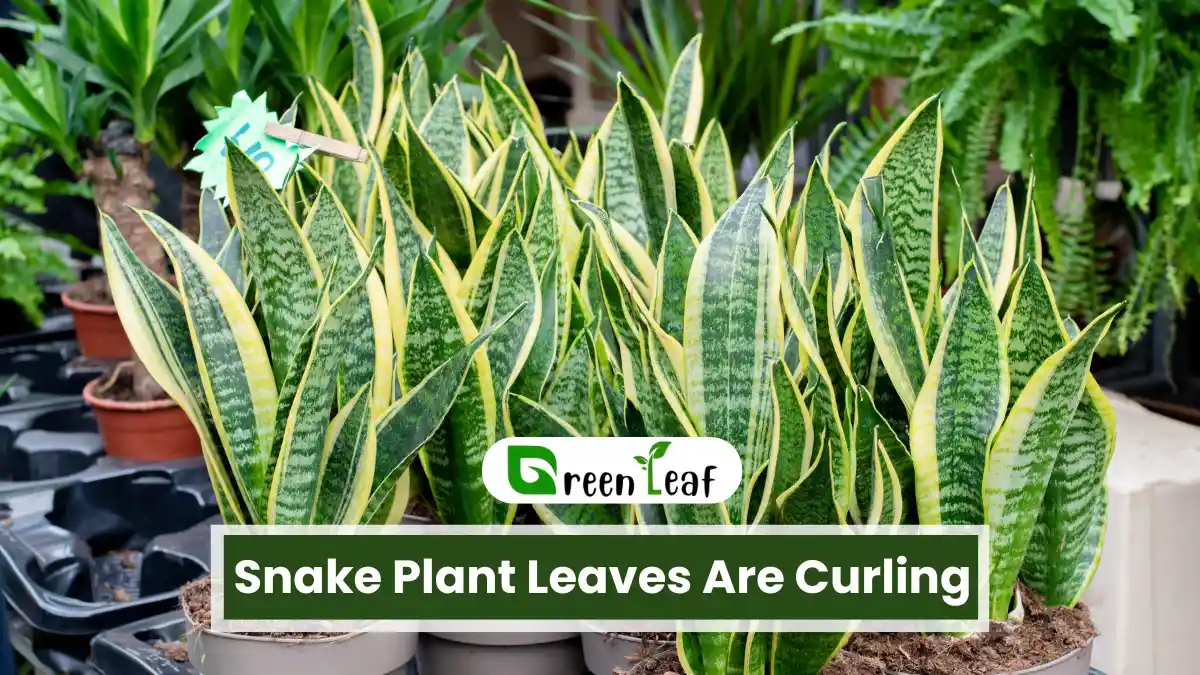
Nothing’s more frustrating than watching your beautiful snake plant develop curled, twisted leaves. I’ve been there – staring at my once-pristine Sansevieria wondering what went wrong. After years of plant parenting mistakes and victories, I’ve learned that curling leaves are actually your plant’s way of communicating specific problems.
The good news? Most causes are completely fixable once you know what to look for.
The Main Culprits Behind Curling Snake Plant Leaves
Your snake plant’s leaves curl for several reasons, but these seven issues account for about 90% of all cases I’ve encountered:
-
Inconsistent Watering Patterns
Snake plants hate surprises, especially when it comes to water. If you’re the type who forgets to water for three weeks, then drowns your plant in guilt-water, you’ll likely see curling leaves.
The fix is surprisingly simple: stick your finger two inches into the soil. If it’s dry, water thoroughly until water drains from the bottom. Then wait until it’s dry again before the next watering. This usually means watering every 2-3 weeks in most homes.
-
Temperature Stress (The Silent Killer)
Here’s something most plant guides won’t tell you: snake plants are drama queens about temperature changes. That spot near your heating vent or that drafty window? Your plant notices every single degree change.
Keep your snake plant in areas that stay between 65-80°F consistently. I learned this the hard way when my plant near the front door started curling every winter when cold air would blast in.
-
Root Rot (More Common Than You Think)
If your plant’s leaves are curling AND turning yellow at the base, you might be dealing with root rot. This happens when soil stays wet too long, creating a breeding ground for harmful bacteria.
Check by gently removing the plant from its pot. Healthy roots should be white or light tan. Black, mushy roots mean trouble. Cut away the damaged roots with clean scissors and repot in fresh, well-draining soil.
-
Light Issues (Too Much OR Too Little)
Snake plants are marketed as “low-light” plants, but what they really prefer is bright, indirect light. Too little light and the leaves stretch and curl as they search for more. Too much direct sun scorches the tips and causes defensive curling.
Find that sweet spot near a window with filtered light, or about 6-8 feet from a bright window.
-
Nutrient Deficiency (The Overlooked Problem)
Many people think snake plants don’t need fertilizer. Wrong! They’re just not hungry plants. A lack of essential nutrients, especially potassium, can cause leaf curling.
Feed your snake plant with a balanced liquid fertilizer diluted to half strength once every 6-8 weeks during spring and summer. Skip fertilizing in fall and winter when growth naturally slows.
-
Pest Invasion (Check Those Leaf Bases)
Spider mites and thrips love snake plants, and their feeding damage often shows up as curling leaves first. These tiny pests are easy to miss until the damage is obvious.
Inspect your plant weekly, especially around the base of leaves. If you spot tiny webs or stippled damage, treat immediately with neem oil or insecticidal soap.
-
Pot Bound Stress
Snake plants actually like being slightly pot-bound, but when roots completely fill the container and start circling, nutrient uptake suffers and leaves begin curling.
If you see roots growing through drainage holes or soil dries out extremely quickly, it’s time to size up to a pot that’s 2 inches larger in diameter.
Prevention Is Your Best Friend
Once you fix the immediate problem, preventing future curling is straightforward:
- Create a consistent watering schedule and stick to it
- Choose a stable location away from heat sources and drafts
- Use a well-draining potting mix designed for succulents
- Monitor your plant weekly for early signs of problems
When to Be Concerned
Mild curling that affects just a few leaves usually isn’t serious. But if more than half your plant’s leaves are curling, or if curling is accompanied by yellowing, brown spots, or a foul smell, take action immediately.
The beauty of snake plants is their resilience. With proper care, most plants recover from curling leaves within 4-6 weeks. Your Sansevieria wants to thrive – sometimes it just needs a little help figuring out what’s wrong.
Have you noticed curling leaves on your snake plant? The solution is usually simpler than you think.
Frequently Asked Questions (FAQs)
Why are my snake plant leaves curling inward?
Curling inward usually points to underwatering or temperature stress. Check soil dryness and ensure your plant isn’t near cold drafts or heating vents.
Can overwatering cause snake plant leaves to curl?
Yes. Overwatering is one of the top causes of curling leaves, often leading to root rot. Always let the soil dry before watering again.