

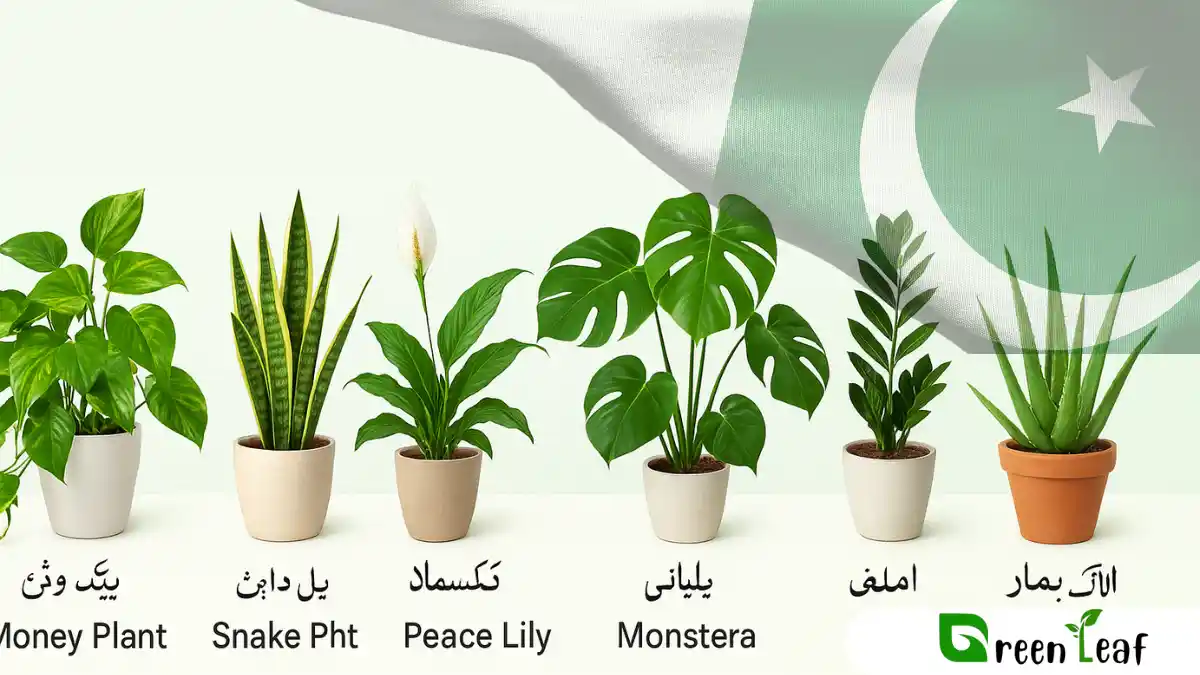
Why Indoor Plants Thrive in Pakistan’s Climate
Pakistan’s diverse climate zones, from the coastal humidity of Karachi to the continental climate of Lahore and the moderate temperatures of Islamabad, create unique opportunities for indoor gardening. After helping over 2,000 Pakistani families transform their homes with indoor plants over the past eight years, we’ve identified which species not only survive but truly flourish in our local conditions.
Why Pakistan is Perfect for Indoor Plants:
Our country’s natural advantages include abundant sunlight year-round, varying humidity levels that suit different plant types, and a growing awareness of air quality improvement needs in urban areas. The monsoon season provides natural humidity boosts, while our relatively stable indoor temperatures create ideal growing conditions for tropical and subtropical species.
The Health Benefits Relevant to Pakistani Homes:
Indoor plants are particularly valuable in Pakistani cities where air pollution is a growing concern. Research from the Pakistan Environmental Protection Agency shows that cities like Lahore and Faisalabad often exceed WHO air quality standards. NASA’s Clean Air Study demonstrates that common houseplants can remove up to 87% of air toxins within 24 hours – a crucial benefit for Pakistani urban dwellers.
Additionally, the cultural significance of greenery in Islamic tradition makes indoor plants not just decorative elements but meaningful additions to Muslim homes. The Prophet Muhammad (PBUH) emphasized the importance of greenery and natural beauty, making plant care a spiritually rewarding practice.
Top 15 Easy Indoor Plants for Pakistani Homes {#top-plants}
Based on our extensive experience with Pakistani growing conditions and customer feedback, these plants consistently perform well across all major cities:
1. Money Plant (Pothos) – پیسے کا پودا
Botanical Name: Epipremnum aureum Difficulty Level: Beginner Price Range: PKR 200-800
The money plant is arguably Pakistan’s most popular indoor plant, and for good reason. This trailing vine adapts beautifully to our climate variations and tolerates both the dry heat of Punjab summers and the humid conditions of coastal areas.
Why It Works in Pakistan:
- Tolerates temperature fluctuations common in Pakistani homes (18-35°C)
- Thrives in both air-conditioned and non-air-conditioned spaces
- Handles irregular watering schedules
- Grows quickly, providing immediate gratification
Care Instructions for Pakistani Conditions:
- Light: Bright, indirect light; perfect near north-facing windows
- Water: Every 7-10 days in summer, 10-14 days in winter
- Humidity: Adapts to 40-80% humidity levels
- Monsoon Care: Reduce watering frequency; ensure good drainage
Local Growing Tips: During Pakistan’s intense summer months (May-July), place away from direct afternoon sun. In winter, move closer to windows for maximum light exposure. The plant responds well to occasional misting during dry spells.
2. Snake Plant (Sansevieria) – سانپ کا پودا
Botanical Name: Sansevieria trifasciata Difficulty Level: Beginner Price Range: PKR 300-1,500
Known locally as “سانپ کا پودا” (snake plant), this architectural beauty is perfect for Pakistani homes due to its extreme drought tolerance and air-purifying capabilities.
Why It’s Perfect for Pakistan:
- Survives power outages and air conditioning disruptions
- Requires minimal water during monsoon season
- Tolerates dust and air pollution common in Pakistani cities
- Releases oxygen at night, improving sleep quality
Care Instructions for Pakistani Climate:
- Light: Adapts to low light; perfect for apartments with limited windows
- Water: Every 2-3 weeks; dramatically reduce during monsoon
- Temperature: Thrives in 15-40°C range
- Soil: Well-draining; add sand or perlite to regular potting mix
Regional Variations:
- Karachi: Water less frequently due to high humidity
- Lahore: Protect from extreme summer heat (40°C+)
- Islamabad: Can handle cooler winter temperatures better than other regions
3. ZZ Plant (Zamioculcas zamiifolia) – زی زی پلانٹ
Botanical Name: Zamioculcas zamiifolia Difficulty Level: Beginner Price Range: PKR 500-2,000
The ZZ plant has gained tremendous popularity in Pakistani urban homes due to its glossy, modern appearance and remarkable tolerance for neglect.
Pakistani Advantages:
- Handles frequent power outages without stress
- Tolerates air conditioning fluctuations
- Thrives in artificial lighting common in Pakistani apartments
- Resistant to common household pests
Care for Pakistani Conditions:
- Light: Low to bright indirect light
- Water: Every 3-4 weeks; check soil moisture first
- Humidity: Adapts to 30-70% humidity levels
- Fertilizer: Light feeding every 3 months during growing season
Special Considerations: The ZZ plant’s waxy leaves collect dust easily in Pakistani cities. Clean leaves monthly with a damp cloth to maintain photosynthesis efficiency and plant health.
4. Peace Lily (Spathiphyllum) – امن کی للی
Botanical Name: Spathiphyllum wallisii Difficulty Level: Beginner to Intermediate Price Range: PKR 400-1,200
The peace lily’s elegant white blooms and excellent air-purifying qualities make it ideal for Pakistani homes, especially in areas with higher humidity.
Benefits for Pakistani Homes:
- Blooms multiple times per year in our climate
- Excellent for bathrooms and kitchens
- Removes ammonia, benzene, and formaldehyde from air
- Indicates watering needs through leaf drooping
Pakistani Climate Care:
- Light: Bright, indirect light; perfect for east-facing windows
- Water: Maintain consistent moisture; more frequent in summer
- Humidity: Prefers 50-60%; ideal for coastal areas
- Temperature: Thrives in 18-29°C range
Monsoon Season Tips: Reduce watering frequency during July-September. Ensure excellent drainage to prevent root rot. The natural humidity boost during monsoons often triggers flowering.
5. Rubber Plant (Ficus elastica) – ربڑ کا پودا
Botanical Name: Ficus elastica Difficulty Level: Intermediate Price Range: PKR 600-3,000
The rubber plant’s large, glossy leaves and tree-like growth make it a statement piece in Pakistani homes, while its natural tolerance for varying conditions suits our climate perfectly.
Why It Succeeds in Pakistan:
- Adapts to varying light conditions in Pakistani homes
- Tolerates air pollution in urban areas
- Grows well in containers for apartment living
- Provides significant air purification benefits
Care Instructions:
- Light: Bright, indirect light; can tolerate some direct morning sun
- Water: Allow soil to dry between waterings; reduce in winter
- Humidity: Adapts to 40-65% humidity
- Pruning: Regular pruning maintains size and promotes bushier growth
Regional Adaptations:
- Karachi: Benefits from higher natural humidity
- Lahore: Requires protection from intense summer heat
- Islamabad: May need supplemental humidity in winter
6. Spider Plant (Chlorophytum comosum) – مکڑی کا پودا
Botanical Name: Chlorophytum comosum Difficulty Level: Beginner Price Range: PKR 150-500
Known for its distinctive arching leaves and baby plantlets, the spider plant is perfect for Pakistani households seeking easy-care, fast-growing greenery.
Pakistani Home Benefits:
- Produces baby plants for sharing and expansion
- Excellent air purifier, removing formaldehyde and xylene
- Safe for homes with children and pets
- Thrives in hanging baskets popular in Pakistani décor
Local Care Guidelines:
- Light: Bright, indirect light; tolerates some shade
- Water: Regular watering; enjoys slight moisture
- Propagation: Easy propagation from plantlets
- Growth: Fast-growing, provides quick results
Seasonal Adjustments: During Pakistani summers, provide morning sunlight but afternoon shade. In winter, reduce watering frequency and provide maximum available light.
7. Aloe Vera – ایلو ویرا
Botanical Name: Aloe barbadensis miller Difficulty Level: Beginner Price Range: PKR 200-600
Beyond its medicinal properties valued in Pakistani traditional medicine, aloe vera serves as an excellent low-maintenance indoor succulent.
Cultural and Practical Benefits:
- Medicinal uses align with Pakistani herbal traditions
- Extremely drought tolerant
- Produces offsets for multiplication
- Thrives in Pakistani heat
Care for Pakistani Climate:
- Light: Bright, direct light; south-facing windows ideal
- Water: Deep, infrequent watering; every 2-3 weeks
- Soil: Cactus mix or well-draining soil
- Temperature: Handles 15-40°C range excellently
Monsoon Precautions: Drastically reduce watering during monsoon months. Ensure pots have drainage holes to prevent root rot during heavy rainfall periods.
8. Philodendron – فلوڈینڈرون
Botanical Name: Philodendron hederaceum Difficulty Level: Beginner to Intermediate Price Range: PKR 300-1,500
Philodendrons adapt remarkably well to Pakistani indoor conditions, offering heart-shaped leaves and trailing growth perfect for Pakistani home aesthetics.
Pakistani Climate Advantages:
- Tolerates humidity fluctuations
- Adapts to varying light conditions
- Fast-growing for quick impact
- Easy propagation for sharing
Care Instructions:
- Light: Medium to bright, indirect light
- Water: Allow top inch to dry between waterings
- Humidity: Prefers higher humidity; benefits from misting
- Support: Provide moss poles or stakes for climbing varieties
9. Monstera Deliciosa – مونسٹیرا
Botanical Name: Monstera deliciosa Difficulty Level: Intermediate Price Range: PKR 800-4,000
The trendy monstera has found a devoted following in Pakistani plant enthusiasts, particularly in major cities where its dramatic fenestrated leaves create stunning focal points.
Why It Works in Pakistan:
- Appreciates natural humidity during monsoons
- Grows well in bright Pakistani homes
- Creates dramatic architectural impact
- Develops characteristic splits in our climate
Pakistani Care Guide:
- Light: Bright, indirect light; east or north windows
- Water: Regular watering; maintain consistent moisture
- Support: Requires moss pole or stake for proper growth
- Space: Needs room to spread; ideal for larger homes
10. Fiddle Leaf Fig (Ficus lyrata) – فیڈل لیف
Botanical Name: Ficus lyrata Difficulty Level: Intermediate to Advanced Price Range: PKR 1,000-5,000
The fiddle leaf fig’s dramatic, violin-shaped leaves make it a coveted addition to modern Pakistani homes, though it requires more attentive care.
Success Factors in Pakistan:
- Prefers consistent conditions common in air-conditioned homes
- Benefits from bright Pakistani sunlight (filtered)
- Responds well to regular care routines
- Creates impressive vertical impact
Detailed Care for Pakistani Conditions:
- Light: Bright, filtered light; avoid direct afternoon sun
- Water: Consistent moisture without waterlogging
- Humidity: Benefits from 50-60% humidity
- Stability: Dislikes frequent moving or environmental changes
11. Boston Fern (Nephrolepis exaltata) – بوسٹن فرن
Botanical Name: Nephrolepis exaltata Difficulty Level: Intermediate Price Range: PKR 400-1,200
Boston ferns thrive in Pakistan’s naturally humid conditions, particularly during monsoon seasons, creating lush, tropical appeal.
Pakistani Climate Benefits:
- Loves natural monsoon humidity
- Excellent air purifier
- Safe for households with pets
- Thrives in bathroom conditions
Care Requirements:
- Light: Indirect light; perfect for bathrooms or north windows
- Water: Consistent moisture; never let completely dry
- Humidity: High humidity preferred (60%+)
- Air Circulation: Appreciates gentle air movement
12. Dracaena – ڈریسینا
Botanical Name: Dracaena marginata Difficulty Level: Beginner to Intermediate Price Range: PKR 500-2,500
Dracaenas offer striking architectural form and exceptional air-purifying abilities, making them ideal for Pakistani urban environments.
Pakistani Home Advantages:
- Tolerates lower light conditions in apartments
- Excellent air purifier for polluted urban air
- Drought tolerant during dry spells
- Slow-growing, maintaining size
Care Guidelines:
- Light: Medium light; adapts to various conditions
- Water: Allow soil to dry between waterings
- Humidity: Adapts to 40-60% humidity
- Toxicity: Keep away from pets and children
13. Prayer Plant (Maranta leuconeura) – دعا کا پودا
Botanical Name: Maranta leuconeura Difficulty Level: Intermediate Price Range: PKR 600-1,800
The prayer plant’s unique leaf movements and beautiful patterns make it a fascinating addition to Pakistani homes, especially appreciated for its spiritual symbolism.
Cultural and Growing Benefits:
- Leaves fold at night, resembling prayer position
- Beautiful patterned foliage adds visual interest
- Moderate size perfect for Pakistani homes
- Appreciates higher humidity levels
Pakistani Care Tips:
- Light: Bright, indirect light; avoid direct sun
- Water: Maintain consistent moisture
- Humidity: Prefers high humidity; benefits from pebble trays
- Temperature: Thrives in 18-27°C range
14. Chinese Evergreen (Aglaonema) – چینی سدا بہار
Botanical Name: Aglaonema modestum Difficulty Level: Beginner Price Range: PKR 400-1,500
Chinese evergreens offer colorful foliage and excellent low-light tolerance, perfect for Pakistani apartments with limited natural light.
Pakistani Indoor Advantages:
- Tolerates artificial lighting
- Colorful varieties brighten dark spaces
- Low maintenance requirements
- Adapts to air conditioning
Care Instructions:
- Light: Low to medium indirect light
- Water: Allow soil to partially dry between waterings
- Humidity: Adapts to varying humidity levels
- Temperature: Prefers warm temperatures (20-30°C)
15. Croton (Codiaeum variegatum) – کروٹن
Botanical Name: Codiaeum variegatum Difficulty Level: Intermediate Price Range: PKR 500-2,000
Crotons bring vibrant colors to Pakistani homes with their multicolored leaves, thriving in our bright, warm conditions.
Pakistani Climate Benefits:
- Loves bright Pakistani sunlight
- Colors intensify in high light
- Tolerates warm temperatures
- Creates dramatic color impact
Care for Pakistani Conditions:
- Light: Bright, direct light for best coloration
- Water: Regular watering; maintain consistent moisture
- Humidity: Appreciates higher humidity
- Temperature: Thrives in warm conditions (20-35°C)
Plants for Specific Pakistani Conditions {#regional-plants}
Best Plants for Karachi Humidity (60-80% humidity)
Karachi’s coastal climate with high humidity and moderate temperatures creates ideal conditions for tropical plants:
Top Choices:
- Peace Lily: Thrives in bathroom and kitchen humidity
- Boston Fern: Loves the natural moisture in the air
- Prayer Plant: Benefits from coastal humidity levels
- Philodendron: Rapid growth in humid conditions
- Monstera: Develops beautiful fenestrations in high humidity
Special Karachi Care Tips:
- Reduce watering frequency due to high ambient humidity
- Ensure excellent drainage to prevent waterlogging
- Take advantage of natural humidity for tropical species
- Monitor for fungal issues during monsoon season
Heat-Resistant Plants for Lahore Summers (40°C+)
Lahore’s extreme summer heat requires plants that can tolerate high temperatures and dry conditions:
Best Heat Tolerators:
- Snake Plant: Thrives in hot, dry conditions
- ZZ Plant: Handles temperature extremes excellently
- Aloe Vera: Natural desert adaptation
- Rubber Plant: Tolerates heat with proper watering
- Dracaena: Maintains health in warm conditions
Lahore Summer Strategies:
- Provide afternoon shade during peak heat (12-4 PM)
- Increase watering frequency in summer months
- Use heat-reflecting pots or pot covers
- Consider air conditioning for sensitive species
Low-Light Plants for Islamabad Apartments
Islamabad’s modern apartments often have limited natural light, requiring plants adapted to lower light conditions:
Perfect Low-Light Options:
- ZZ Plant: Thrives in artificial lighting
- Chinese Evergreen: Maintains color in low light
- Snake Plant: Tolerates very low light levels
- Philodendron: Adapts to various light conditions
- Peace Lily: Blooms even in lower light
Islamabad Apartment Tips:
- Maximize available natural light with mirrors
- Consider LED grow lights for better growth
- Rotate plants weekly for even light exposure
- Choose lighter-colored pots to reflect available light
Air-Purifying Plants for Faisalabad Pollution
Faisalabad’s industrial environment benefits from plants specifically chosen for air purification:
Top Air Purifiers:
- Snake Plant: Removes formaldehyde and benzene
- Peace Lily: Eliminates ammonia and acetone
- Spider Plant: Removes formaldehyde and xylene
- Rubber Plant: Absorbs airborne chemicals
- Boston Fern: Natural air humidifier and purifier
Pollution Combat Strategy:
- Clean leaves weekly to remove dust and pollutants
- Use multiple plants for maximum air cleaning effect
- Position plants near air circulation areas
- Consider air-purifying plants in every room
Local Care Tips for Pakistani Climate {#care-tips}
Watering During Monsoon Season (June-September)
The monsoon period dramatically changes plant care requirements across Pakistan:
General Monsoon Guidelines:
- Reduce watering frequency by 50-70% during heavy rain periods
- Improve drainage by adding perlite or sand to potting mix
- Monitor humidity levels which naturally increase to 70-90%
- Increase air circulation to prevent fungal growth
- Move plants away from leaky windows or areas with water intrusion
Plant-Specific Monsoon Care:
- Succulents (Aloe, ZZ Plant): Water only every 3-4 weeks
- Tropical plants (Monstera, Philodendron): Reduce watering but maintain soil moisture
- Ferns: Benefit from increased humidity but watch for overwatering
- Pothos and Snake Plants: Significantly reduce watering frequency
Signs of Monsoon Overwatering:
- Yellow leaves dropping frequently
- Musty or sour smell from soil
- Black or brown roots when checked
- Fungal growth on soil surface
- Slow or stunted growth despite good conditions
Pest Control in Pakistani Climate
Common Pakistani plant pests and their effective treatments:
Aphids (Most Common in Spring):
- Treatment: Neem oil spray weekly
- Prevention: Good air circulation, avoid over-fertilizing
- Natural solution: Soapy water spray
Spider Mites (Common in Dry Heat):
- Treatment: Increase humidity, neem oil treatment
- Prevention: Regular misting, adequate watering
- Signs: Fine webbing, stippled leaves
Mealybugs (Year-round Problem):
- Treatment: Alcohol on cotton swab for spot treatment
- Prevention: Quarantine new plants, regular inspection
- Systemic treatment: Insecticidal soap
Scale Insects (Common on Rubber Plants, Dracaena):
- Treatment: Scrape off manually, follow with neem oil
- Prevention: Regular leaf cleaning, proper spacing
- Ongoing care: Monthly detailed inspections
Seasonal Care Calendar for Pakistan
January-February (Cool, Dry Season):
- Reduce watering frequency
- Provide maximum available light
- Avoid fertilizing during dormant period
- Check for pest buildup in low humidity
March-May (Pre-Monsoon Heat):
- Increase watering as temperatures rise
- Begin monthly fertilizing
- Repot plants before extreme heat
- Provide afternoon shade for sensitive plants
June-September (Monsoon Season):
- Dramatically reduce watering
- Ensure excellent drainage
- Monitor for fungal issues
- Take advantage of high humidity for propagation
October-December (Post-Monsoon):
- Gradually resume normal watering
- Clean leaves after dusty monsoon period
- Assess plant health and address issues
- Prepare for cooler temperatures
Water Quality Considerations in Pakistan
Pakistani water quality varies significantly by region and affects plant health:
Karachi Water Issues:
- High salt content from coastal influence
- Solution: Use filtered water or rainwater collection
- Alternative: Let tap water sit 24 hours before use
Lahore Water Concerns:
- Hard water with high mineral content
- Solution: Mix distilled water with tap water (50:50)
- Signs of hard water damage: White residue on leaves, brown leaf tips
General Water Quality Tips:
- Chlorine removal: Let water sit overnight before use
- Temperature: Use room temperature water always
- Fluoride sensitivity: Some plants prefer rainwater or filtered water
- Collection method: Collect rainwater during monsoons for year-round use
Where to Buy Quality Plants in Pakistan {#where-to-buy}
Green Leaf Store – Your Trusted Plant Partner
Main Location: Green Leaf Store Address: Khan Plaza, Kohna Road Pattoki
Phone: +92 312 6181122 Operating Hours: 8:00 AM – 7:00 PM (Daily)
What Sets Green Leaf Store Apart:
Quality Guarantee:
- All plants undergo 14-day acclimatization in our local growing conditions
- Health certification for every plant
- 30-day replacement guarantee for plant problems
- Expert care instructions specific to Pakistani climate
Local Expertise:
- 8+ years serving Pakistani plant enthusiasts
- Staff trained in regional climate challenges
- Seasonal care workshops for customers
- WhatsApp support for ongoing plant care questions
Complete Plant Services:
- Home consultations for large plant installations
- Corporate plant services for offices and commercial spaces
- Plant sitting services during travel
- Seasonal plant swapping programs
- Custom plant arrangement for events and celebrations
Current Inventory Highlights:
- Over 50 varieties of indoor plants suited for Pakistani conditions
- Seasonal specialties including monsoon-resistant and heat-tolerant varieties
- Rare plant collection for advanced plant enthusiasts
- Complete care supplies including fertilizers, pots, and tools designed for local conditions
Plant Care Support Services
Green Leaf Store Plant Care Program:
- Monthly health checkups for your plant collection
- Emergency plant rescue services
- Pest identification and treatment programs
- Seasonal care adjustment consultations
- Propagation and plant multiplication services
Educational Resources:
- Weekly plant care workshops covering seasonal challenges
- WhatsApp plant care community with expert guidance
- Seasonal newsletters with location-specific care tips
- Video tutorials addressing common Pakistani plant problems
Frequently Asked Questions {#faq}
General Plant Care in Pakistan
Q: Which plants are best for beginners in Pakistani climate? A: Start with Snake Plant, Pothos (Money Plant), and ZZ Plant. These three tolerate neglect, varying light conditions, and temperature fluctuations common in Pakistani homes. They also handle power outages and air conditioning disruptions well.
Q: How do I adjust plant care during load shedding? A: Choose plants that tolerate temperature fluctuations. Move plants away from heat sources during power outages. Increase watering slightly during summer load shedding periods. Snake plants and ZZ plants handle this stress best.
Q: What’s the best time of year to start indoor gardening in Pakistan? A: March-April is ideal for starting, allowing plants to establish before the intense summer heat. October-November is also excellent as plants can adapt before the cooler winter months.
Regional Specific Questions
Q: Can I grow tropical plants in Lahore’s dry heat?
A: Yes, but they need protection from afternoon sun (12-4 PM) and increased humidity through misting or pebble trays. Choose heat-tolerant tropicals like Rubber Plant and Philodendron.
Q: Do plants get too much humidity during Karachi’s monsoons?
A: Most tropical plants love Karachi’s natural humidity, but ensure excellent drainage and air circulation. Reduce watering by 70% during heavy monsoon periods.
Q: Which plants work best in Islamabad’s cooler winters?
A: Snake Plants, ZZ Plants, and Rubber Plants handle Islamabad’s cooler temperatures (10-15°C) well. Avoid tropical species like Monstera without proper heating.
Plant Selection and Care
Q: Are these plants safe for homes with children and pets?
A: Spider Plants, Boston Ferns, and Prayer Plants are completely safe. Avoid Pothos, Philodendron, ZZ Plants, and Peace Lilies if you have curious pets or small children who might chew plants.
Q: How much should I expect to spend on starting an indoor garden?
A: Budget PKR 2,000-5,000 for a starter collection of 5-7 plants including pots and basic care supplies. This provides excellent variety while staying affordable.
Q: Can I propagate these plants to expand my collection?
A: Absolutely! Pothos, Spider Plants, and Philodendrons propagate easily in Pakistani conditions. Spring (March-May) is the best time for propagation when plants are actively growing.
Troubleshooting Common Issues
Q: My plant leaves are turning yellow. What’s wrong?
A: Yellow leaves usually indicate overwatering, especially during monsoon season. Check soil moisture, ensure proper drainage, and reduce watering frequency. If soil smells sour, consider repotting.
Q: How do I deal with dust on plant leaves in Pakistani cities?
A: Clean leaves monthly with a damp cloth. For plants with many small leaves, give them a gentle shower. Clean leaves photosynthesize better and look more attractive.
Q: My plants aren’t growing despite good care. Why?
A: Plants may be dormant during extreme weather (very hot summers or cool winters). This is normal. Resume normal growth typically occurs in March-May and September-November.
Conclusion: Creating Your Pakistani Indoor Garden
Starting your indoor plant journey in Pakistan offers unique rewards. Our climate provides natural advantages like abundant sunlight, beneficial monsoon humidity, and year-round growing conditions that many countries can’t match. By choosing plants adapted to our specific regional conditions and following locally-tested care methods, you’ll create a thriving indoor ecosystem.
Your Next Steps:
- Start small with 2-3 beginner plants from our recommended list
- Observe and learn how plants respond to your specific home conditions
- Connect with fellow enthusiasts through local plant communities and workshops
- Gradually expand your collection as you gain confidence and experience
Remember: Every expert plant parent started as a beginner. The key to success lies in understanding your local environment, choosing appropriate plants, and maintaining consistent care routines adapted to Pakistani conditions.
Visit Green Leaf Store for personalized plant selection advice, quality plants acclimatized to Pakistani conditions, and ongoing support for your indoor gardening journey. Your green paradise awaits!
This guide reflects 8+ years of experience helping Pakistani families succeed with indoor plants. For personalized advice or specific plant care questions, contact Green Leaf Store’s plant care specialists.
Last Updated: January 2025 Author Expertise: Green Leaf Store Plant Care Team with combined 25+ years of horticultural experience in Pakistani growing conditions